
The emirate welcomed 18.72 million international overnight visitors in 2024, a 9% year on year increase over 2023. Dubai’s visitor volume and mobility patterns create storage demand.
Short-term storage in Dubai solves 3 operational gaps: travel gaps, tenancy gaps, and renovation gaps. This decision guide provides a cost driver model and a risk control checklist that improves quote comparability and reduce dispute probability.
Benefits of reading this guide
- A decision framework that maps short-term storage in Dubai options to traveler, tenant, and renovator use cases using measurable criteria.
- A claims readiness evidence pack that reduces dispute probability using inventory controls and documented handover standards.
The next section connects that mobility signal to storage selection logic.
What is short-term storage in Dubai?
Short-term storage in Dubai is a temporary custody service for household goods and personal effects with a defined start date, defined release rules, and defined liability terms. The service fits durations that cluster around days, weeks, and a few months, not multi-year warehousing.
Short-term storage Dubai decisions are split into 3 layers:
- Storage format: Self-storage unit, managed storage, valet storage, container storage, warehouse storage.
- Access model: Self-access, appointment access, door-to-door pickup, and redelivery.
- Risk controls: Climate control, packaging specification, inventory evidence, insurance, and liability mapping.
Short-term storage in Dubai becomes a procurement problem when the quote omits access constraints, liability caps, and handling exclusions.
What market facts support the demand for short-term storage in Dubai?
Market sizing provides context for operator expansion and pricing pressure.
Grand View Research estimates the UAE self-storage market generated USD 602.5 million in revenue in 2024 and projects growth to USD 859.2 million by 2030, with an expected 6.3% CAGR from 2025 to 2030.
Tourism and aviation statistics also support mobility:
- Dubai recorded 18.72 million international overnight visitors in 2024.
- DXB recorded 92.3 million guests in 2024.
These signals align with higher temporary transitions and storage use cases.
What makes short-term storage in Dubai a high-friction service in practice?
Short-term storage in Dubai becomes high friction when time constraints meet building controls. Dubai’s housing market also shows tenant sensitivity to relocation costs. JLL reported annual rental growth to September 2025 of 6.2% for apartments and 2.9% for villas.
That pricing context creates 3 storage pressure points:
- Lease gap compression: Tenants coordinate move-out, move-in, and fit-out on tight dates.
- Renovation phase overlap: Work scopes change and push storage duration beyond the initial booking.
- Travel schedule variability: Travelers align storage handover with flights and short-notice changes.
Short-term storage Dubai contracts often price the unit, then monetize friction through access fees, labor, redelivery surcharges, and minimum billing blocks.
What decision variables control short-term storage in Dubai outcomes?
Short-term storage in Dubai outcomes depend on variables that change over time, handling, and risk. Use this list to structure every quote request.
Core decision variables
- Duration: Exact start date plus minimum billing period.
- Access frequency: Number of access events per month.
- Item sensitivity: Paper, wood, electronics, textiles, mixed household.
- Value profile: Low value bulk versus high value individual items.
- Handling complexity: Fragile, oversized, disassembly, and crating.
- Building constraints: Lift booking, loading bay, permits, and time windows.
- Liability model: Caps, exclusions, claim window, proof burden.
- Environmental controls: Humidity control, temperature control, pest control.
- Release protocol: ID requirements, appointment booking, and release fees.
Short-term storage Dubai provider comparison improves when every quote answers these 9 variables.
Which short-term storage in Dubai option fits travelers best?
Short-term storage in Dubai fits travelers best when the storage model limits time on site and reduces dependence on local logistics. Travelers benefit most from door-to-door pickup plus controlled redelivery windows.
Traveler fit criteria for short-term storage Dubai
- Pickup lead time in hours, not days.
- Redelivery appointment windows stated in writing.
- Access model that avoids repeated visits.
- Clear the prohibited item list to avoid confiscation or refusal of intake.
- Photo inventory for evidence continuity.
Traveler best match options
1. Managed storage with pickup and redelivery
- Works when the traveler has furniture and boxed items.
- Reduces site visits and access dependency.
2. Small self-storage unit with 24/7 access
- Works for frequent access and smaller item sets.
- Some operators position access as 24/7.
3. Valet storage
- Works for boxed, low-fragility items where access frequency stays low.
Traveler red flags
- “Insurance included” with no policy wording.
- “Climate controlled” with no temperature or humidity range.
- “Free access” without a release process or appointment logic.
Which short-term storage in Dubai option fits tenants between leases?
Short-term storage in Dubai fits tenants when the storage plan stabilizes, move-out, and move-in dates. Tenants face a common sequencing gap: keys release timing, cleaning, snagging, and building move slots.
Tenant fit criteria for short-term storage Dubai
- Unit size selection based on a measurable inventory count.
- Access constraints aligned with building rules.
- Short extension terms that avoid punitive daily rates.
- An evidence pack that supports deposit and damage disputes.
Tenant best match options
1. Self-storage for partial household contents
Fits tenants who move into a smaller unit or stage the move-in phases.
2. Managed storage for the full household contents
Fits tenants who exit the unit before the new unit becomes available.
3. Hybrid split:
Self-storage for high-frequency items plus managed storage for bulky items.
Tenant decision hinges
Tenants benefit from quote normalization that isolates labor from unit rental. The next section provides that normalization structure.
Which short-term storage in Dubai option fits renovation timelines?
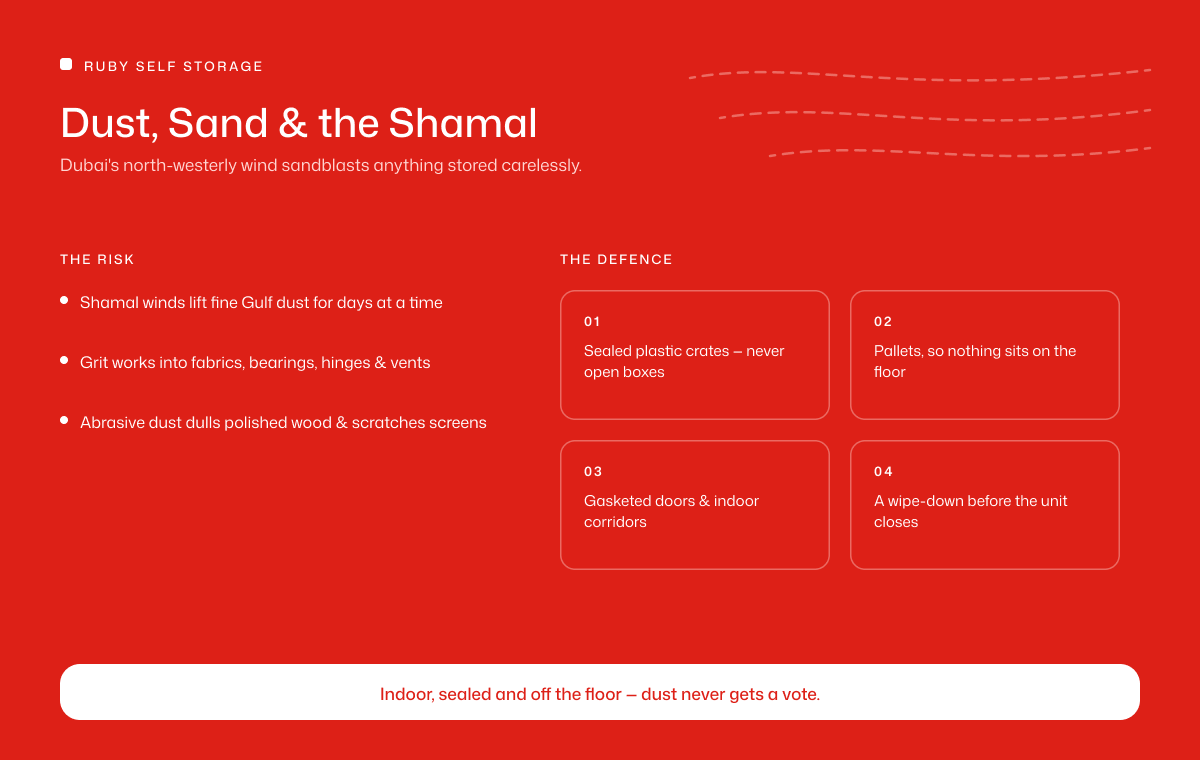
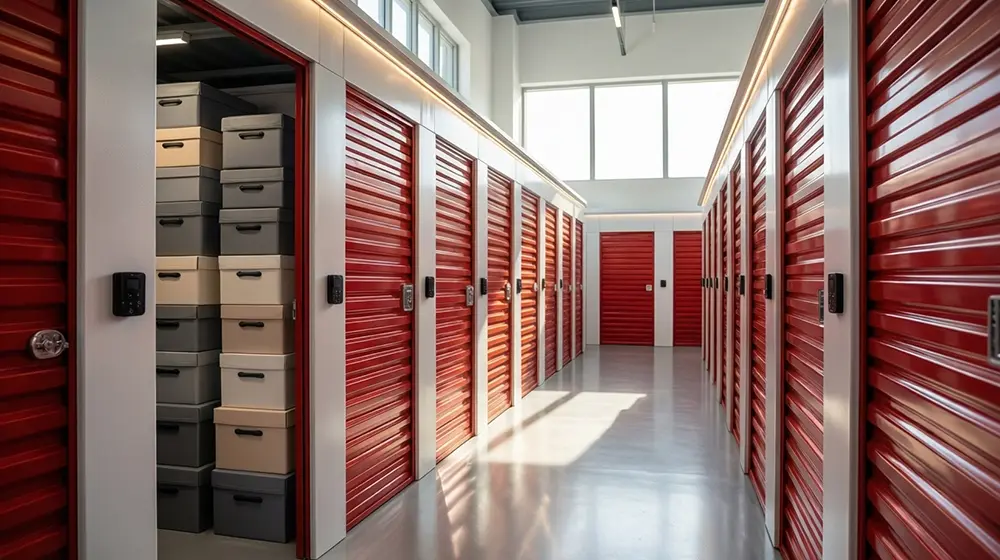
Short-term storage in Dubai fits renovators when it protects materials from heat, humidity, dust, and handling damage. Renovators also face variable timeline risk from approvals, scope changes, and procurement delays.
Renovator fit criteria for short-term storage Dubai
- Environmental controls aligned to material classes (wood, leather, paper, electronics, artwork).
- Handling controls such as palletization, wrapping specification, and stacking rules.
- Access rules that align with phased installation.
- Damage condition reporting at intake and release.
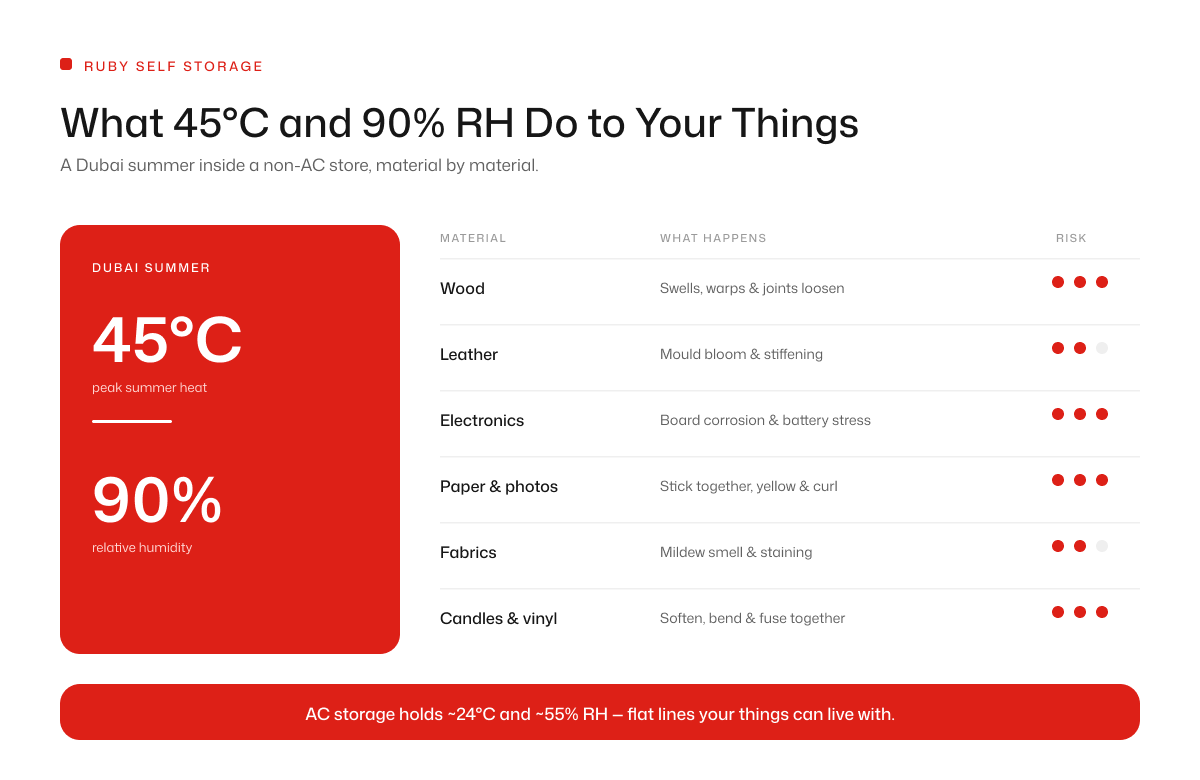
Dubai’s summer conditions amplify material risk. WeatherSpark reports a high probability of muggy conditions at Dubai International Airport during summer, rising from 65% to 81% across the season, with peak muggy probability around 83% in mid July.
Humidity and heat change how wood, paper, textiles, and adhesives behave. Renovation storage selection becomes a material control decision, not only a price decision.
How does short-term storage Dubai pricing work by unit type and duration?
Short-term storage Dubai pricing typically bundles 4 cost blocks:
- Space rent: Unit size and location.
- Handling labor: Pickup, packing, loading, and unloading.
- Access and release: Appointment fees, access labor, and redelivery fee.
- Risk controls: Climate control premium, declared value coverage, and packaging.
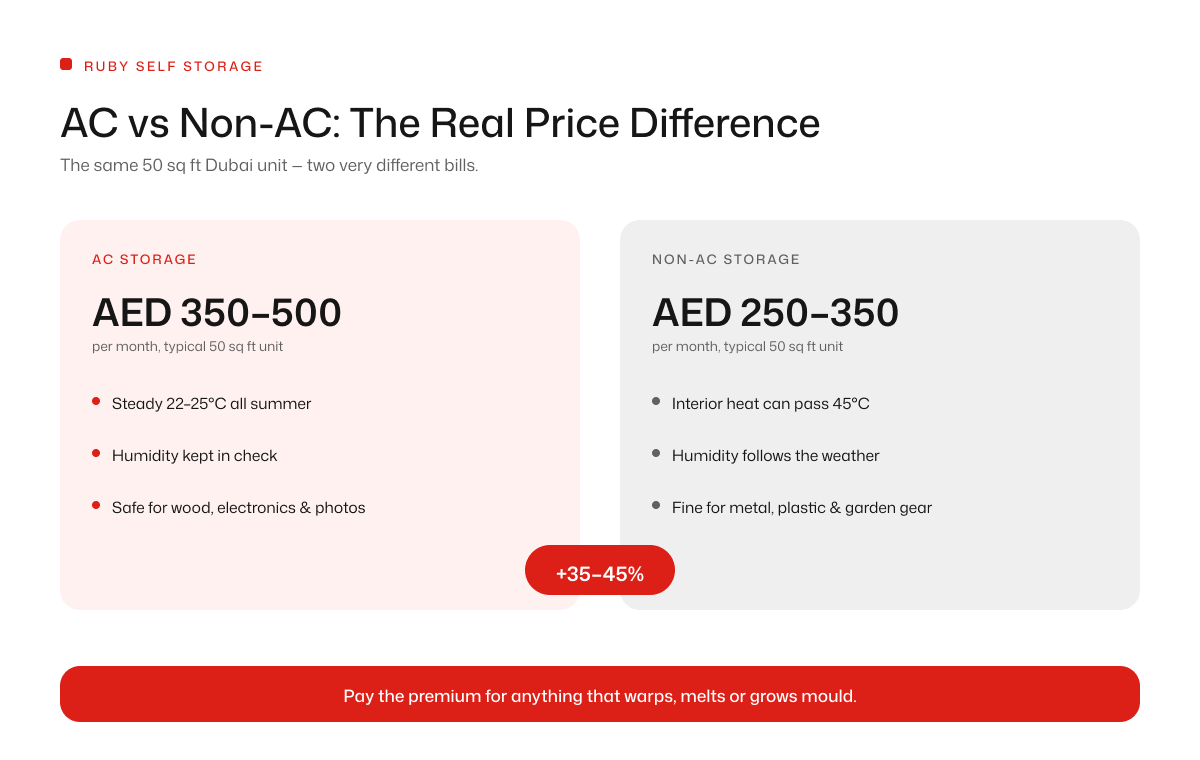
Storage market price transparency varies. Public aggregators and media guides provide rough ranges. Some lists sample monthly prices such as AED 900 to 1,400 for a 50 sq ft unit and AED 1,000 to 1,450 for a 75 sq ft unit. Some self-storage facilities charge prices starting around AED 350 per month for a small space and rising to several thousand AED for large units, depending on size.
These ranges act as a reference band, not a quote substitute. Operators price by location, access, promotions, and demand cycles.
Duration pricing patterns
- Daily pricing often carries a minimum charge block.
- Weekly pricing often exceeds pro-rated monthly pricing.
- Monthly pricing often anchors the market and includes promotional first-month discounts.
What variables change a short-term storage in Dubai quote?
Short-term storage in Dubai quotes change when operational time changes. Cost follows minutes, labor count, and risk exposure.
Quote variables that drive the final bill
Use this list as a quote checklist. Each line item has a measurable attribute.
- Unit size: 25 sq ft, 50 sq ft, 75 sq ft, 100 sq ft
- Duration: Exact start date and exact minimum billing period
- Access frequency: Number of planned accesses per month
- Pickup scope: Boxes only, furniture only, full household
- Packing materials: Carton count, bubble wrap meters, wardrobe cartons
- Labor count: Number of handlers and hours billed
- Carry distance: Long carry meters and lift dependency
- Building controls: Move permits, time windows, loading bay constraints
- Climate control: Temperature and humidity control stated or not stated
- Declared value: Declared value limit and per item cap
- Prohibited item handling: Liquids, batteries, chemicals, perishables
- Release protocol: Appointment time, ID checks, fee per visit
Quote normalization table for short-term storage Dubai
Use this table to force comparable quotes across providers.
| Cost component | Quote unit | Evidence to request | Dispute risk if missing |
|---|---|---|---|
| Storage rent | AED per month by unit size | Unit size, location, promo terms | Overbilling after the promo period |
| Pickup labor | AED per hour and headcount | Time sheet basis, minimum block | Extra hours with no proof |
| Packing materials | AED per item type | Itemized packing list | Undefined add-ons |
| Climate control | AED per month add-on | Temperature or RH statement | Damage claim denial |
| Access | AED per visit | Access policy and fees | Surprise release fees |
| Redelivery | AED per trip | Distance and stairs rules | Variable redelivery pricing |
| Declared value cover | AED per declared value band | Coverage wording, exclusions | Liability gap |
This structure keeps short-term storage in Dubai, with evidence-based.
What storage unit size fits short-term storage in Dubai?
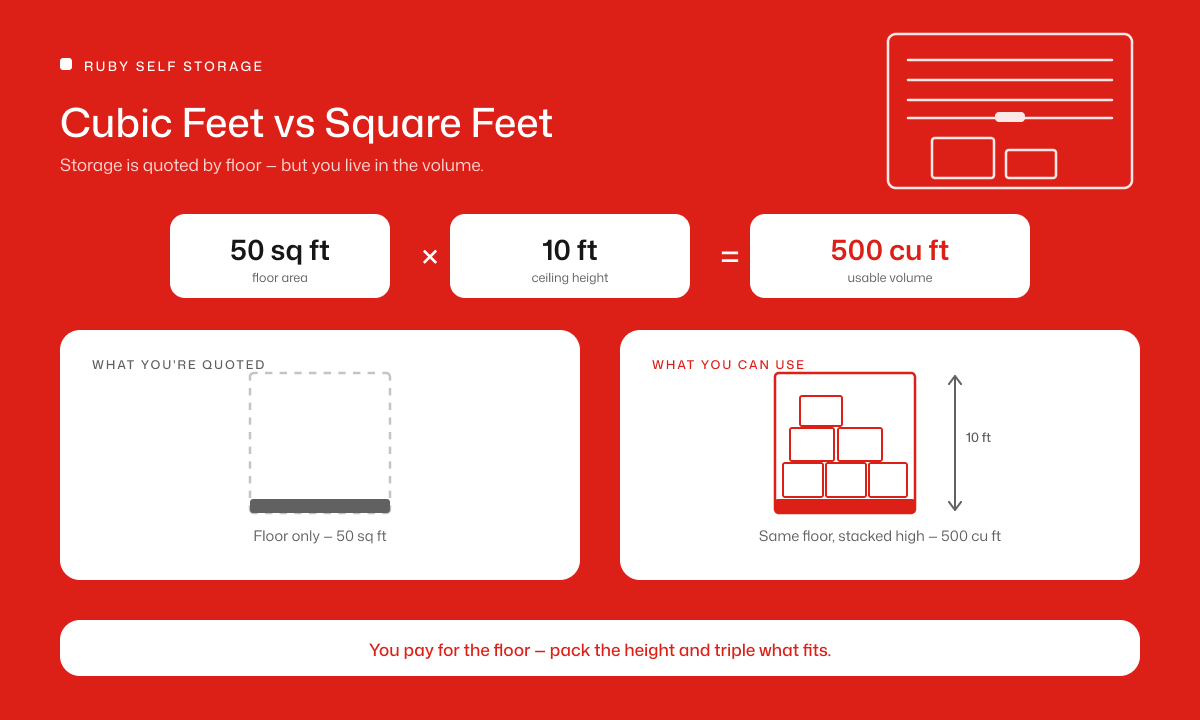
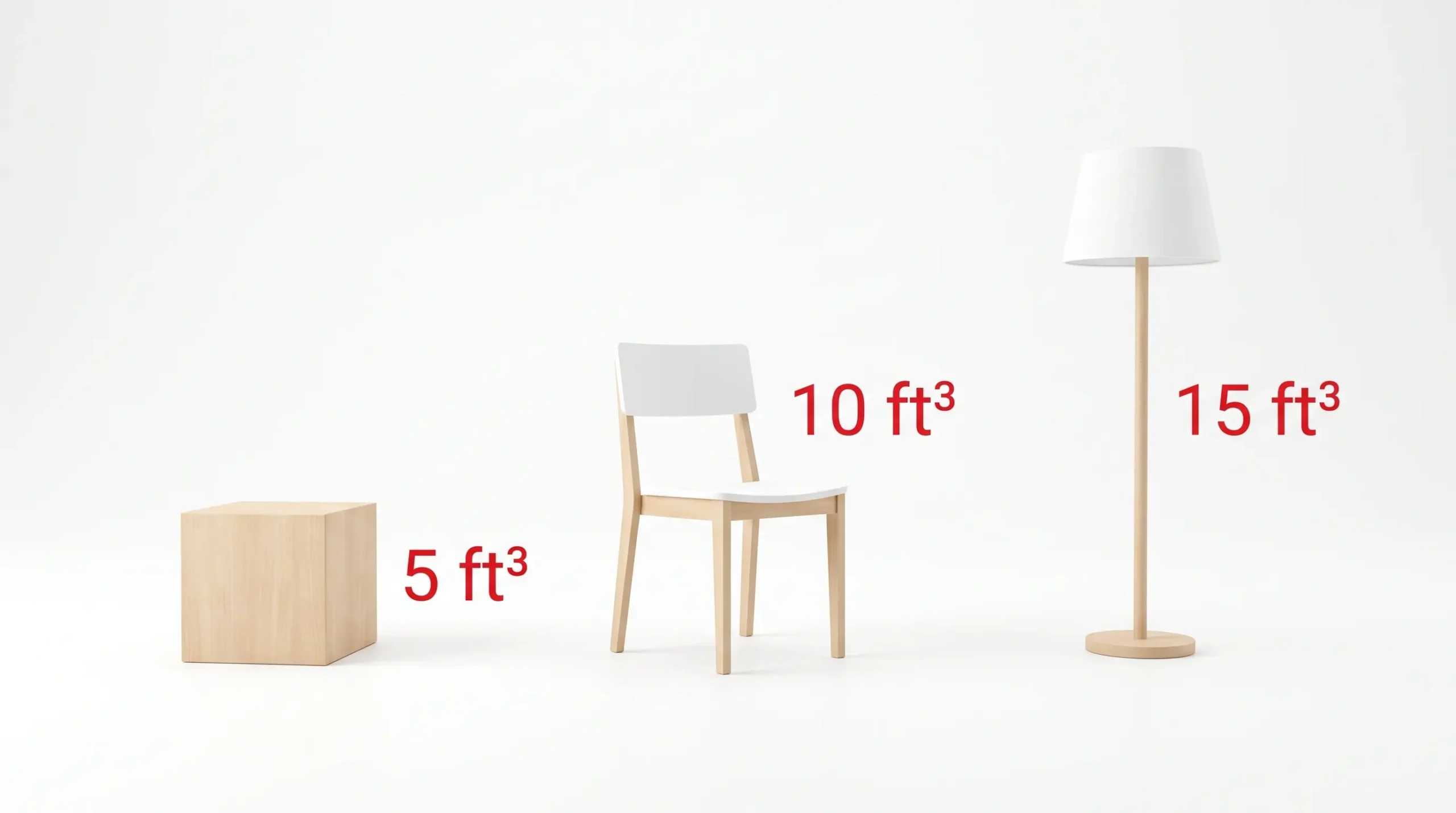
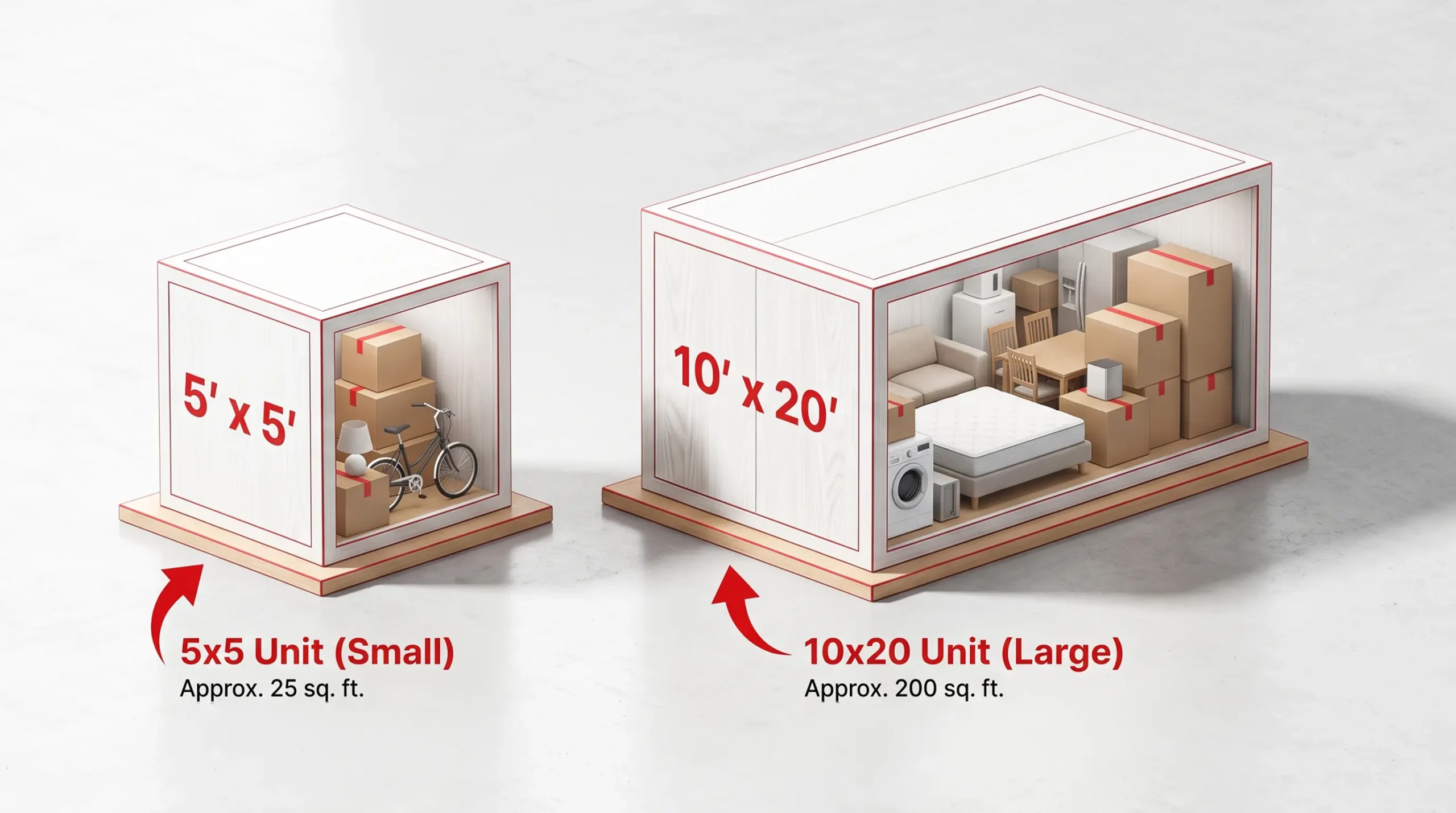
Short-term storage in Dubai selection improves when sizing uses inventory math. Storage providers often describe unit size via apartment equivalence and cubic meter guidance.
Generally, storage providers associate a 50 sq ft unit with studio contents and estimate 9 to 16 cubic meters as a working capacity band.
Practical sizing rules
- 25 sq ft: Boxes, seasonal items, and a small number of small furniture pieces.
- 50 sq ft: Studio level contents in many layouts.
- 75 sq ft: One bedroom contents in many layouts.
- 100 sq ft: One to two bedroom contents, depending on furniture density.
Sizing errors that inflate cost
- Oversizing by 25 sq ft for 3 months increases rent by 3 billing cycles.
- Undersizing triggers overflow units or repacking labor.
Sizing also connects to access. Frequent access favors a slightly larger unit that keeps aisles open.
What environmental controls protect items in short-term storage in Dubai?
Short-term storage Dubai decisions about climate control require measurable targets. Many items respond to humidity more than temperature.
Museum and collection guidance gives usable humidity ranges for sensitive materials. Museums Galleries Scotland references relative humidity (RH) ranges such as 45% to 55% for stretched paper and narrower ranges for some substrates.
The Western Australian Museum preventive conservation manual references a target band of 45% to 55% RH with controlled variation. CollectionCare summarizes a common museum practice of keeping RH stable within a broad band and avoiding rapid fluctuation, with mixed collection guidance that stays below 65% RH.
These ranges support a storage decision principle: stable humidity matters more than the marketing label.
Material risk matrix
| Item category | Primary risk driver | Control attribute | Evidence request |
| Documents | moisture plus mold | dry storage plus sealed cartons | humidity control statement |
| Wood furniture | swelling plus warping | stable environment plus airflow | climate control description |
| Electronics | corrosion plus condensation | moisture control plus packaging | packaging rules |
| Textiles | odor plus mold | ventilation plus dry control | pest control policy |
| Artwork | surface damage | crating plus stable control | crating policy |
| Mattresses | trapped moisture | elevation plus airflow | palletization method |
Renovators benefit most from documented handling and environmental policies.
What documentation reduces disputes in short-term storage Dubai contracts?
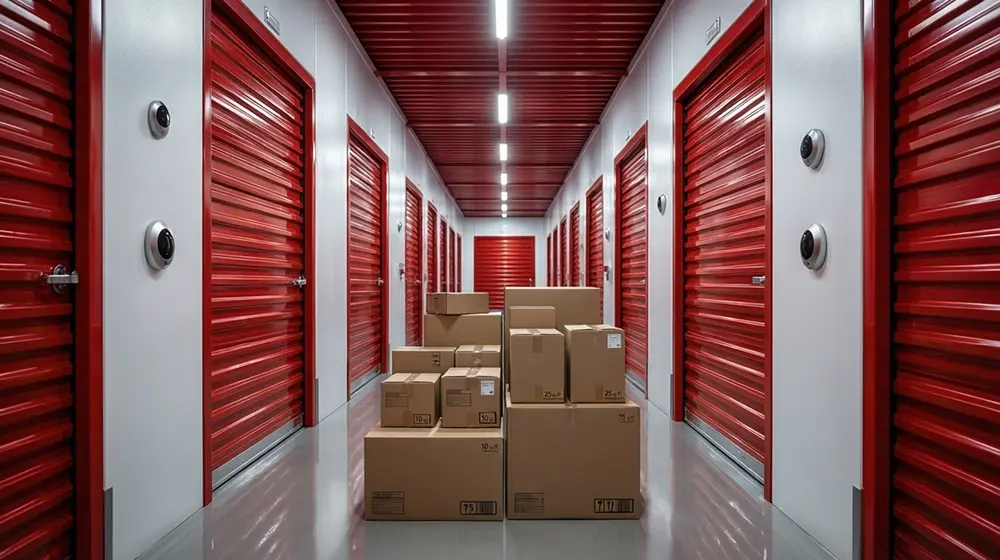
Short-term storage in Dubai disputes cluster around custody, condition, access, and liability. Documentation reduces ambiguity.
The minimum documentation set
- Service scope statement: Pickup, packing, storage, access, redelivery.
- Inventory sheet: Item count, item descriptors, serial numbers for electronics.
- Condition photos: Intake photos and release photos.
- Seal log: Seal numbers for containers or cages when used.
- Access log: Date, time, who accessed, what changed.
- Payment schedule: Promo period end date, billing cycle dates.
Evidence standard for inventory
Inventory evidence works when it is specific. “Boxes” is not specific. “12 medium cartons, label T1 kitchen glass” is specific.
Use the same first word role for list items to maintain consistency:
- Record carton count by size.
- Record the fragile item category by room.
- Record electronics by model and serial.
- Record high-value items as a separate annex.
Documentation also connects to claims. The next section covers liability and evidence.
What insurance and liability terms matter in short-term storage in Dubai?
Short-term storage in Dubai risk splits into 2 concepts:
- Insurance: A policy that pays under defined perils.
- Contractual liability: What the provider accepts responsibility for.
Contracts often include limitations on contractual liability clauses. Legal explainers describe how contracting parties use limitation of liability clauses to manage exposure.
A decision guide treats liability as a checklist, not a marketing claim.
Liability clauses to parse in short-term storage in Dubai
- Per item cap: Maximum payout per item.
- Per shipment cap: Maximum payout per storage batch.
- Excluded perils: Mold, humidity, inherent vice, vermin, and gradual deterioration.
- Packaging exclusions: Denial when the customer packed the item.
- Claim window: Time limit in days for reporting damage.
- Proof burden: What evidence triggers claim acceptance?
Evidence controls that raise the claim success probability
- Photo intake: Before wrapping and after wrapping.
- Photo release: At the delivery point, not after unboxing.
- Inventory sign off: Signature plus timestamp.
- Exception log: Dents, scratches, and missing parts recorded immediately.
Short-term storage Dubai disputes also arise from access delays. The next section addresses access and release.
How does access work in short-term storage in Dubai?
Short-term storage in Dubai access varies by provider type.
Access models
- Self-access: Customer enters the facility and accesses the unit.
- Appointment access: The facility schedules a time slot, and the staff retrieves items.
- Valet access: Customer requests an item, and the provider delivers it.
Self-access often trades control for convenience. Appointment access trades convenience for security and operational predictability.
Delight Self Storage describes a 24/7 access positioning and security controls like CCTV and biometric secured access.
Access cost drivers
- Access labor time billed in blocks.
- Appointment slot scarcity in high-demand facilities.
- Release documentation requirements.
Short-term storage Dubai planning improves when access frequency is defined in advance.
What are the common pain points in short-term storage in Dubai and the controls?
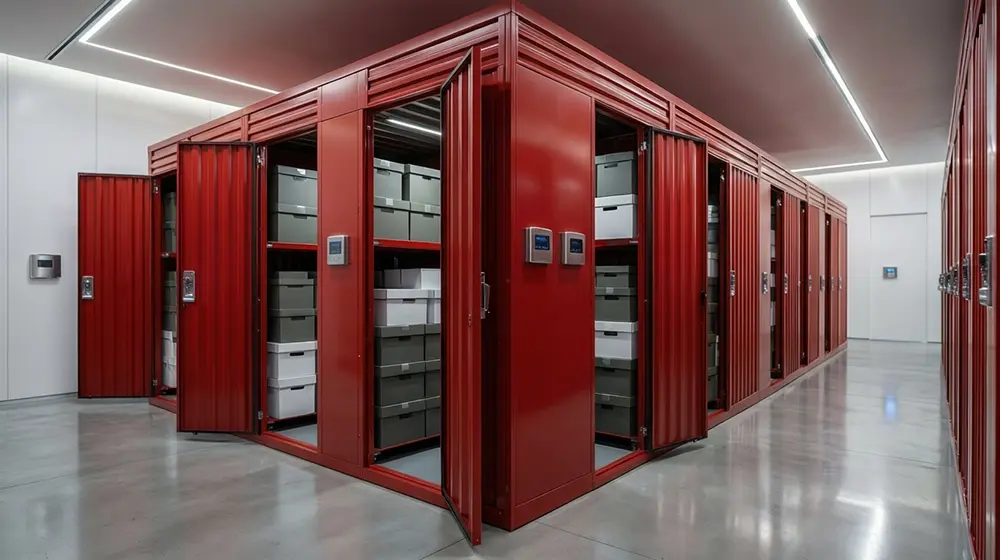
Short-term storage in Dubai fails in predictable patterns. Each failure point has a control.
Pain point 1: Hidden fees after booking
Control: Quote normalization table plus a written fee schedule.
Pain point 2: Unit size mismatch
Control: Inventory-based sizing plus buffer for access aisles.
Pain point 3: Damage disputes
Control: Intake and release photo standard plus itemized inventory.
Pain point 4: Climate mismatch
Control: RH and temperature questions tied to material classes.
Pain point 5: Access delays
Control: Appointment policy in writing and access window definition.
What short-term storage in Dubai timeline fits each use case?
Short-term storage in Dubai works when the timeline matches the service model.
Timeline map
- Travelers: 7 to 45 days often fit managed storage and valet storage.
- Tenants: 14 to 90 days often fit self-storage or managed storage, depending on access.
- Renovators: 30 to 180 days often fit climate-controlled storage with handling controls.
Dubai’s tourism and events scale contributes to travel gaps. Large travel volumes amplify short-term transitions.
What is the short-term storage Dubai decision matrix?
Short-term storage Dubai selection becomes simpler with a matrix.
Decision matrix
Pick the use case row, then choose the best fit column.
| Use case | Best fit storage type | Access frequency | Climate control priority | Evidence priority |
| Travelers | managed storage or valet storage | low | medium to high | high |
| Tenants | self-storage or managed storage | medium | medium | high |
| Renovators | climate-controlled storage | medium | high | very high |
This matrix keeps context stable and reduces decision drift.
Your Next Step: Turn Storage Into a Simple, Documented Process
Short-term storage in Dubai delivers value only when the service is defined beyond “unit size and monthly rent.” Outcomes hinge on access rules, release protocols, handling scope, climate controls, and liability caps, which are often where cost overruns and disputes begin. Travelers usually win with pickup plus scheduled redelivery because it reduces site dependency. Tenants need storage that stabilizes lease timing, move slots, and extension terms without punitive daily add-ons. Renovators need humidity-aware storage with documented packing, stacking, and condition reporting to prevent material damage. The simplest way to protect price and property is to normalize quotes using the same decision variables, separate rent from labor, and build an evidence pack at intake: itemized inventory, photos, seals, and timestamps. When controls are written, storage becomes predictable.
FAQs
What is short-term storage in Dubai?
Temporary custody of goods with defined start, release rules, and liability terms for days to a few months.
Which storage option is best for travelers?
Managed or valet storage is usually best because pickup and redelivery reduce site visits and time loss.
Which storage option fits tenants between leases?
Self-storage or managed storage, depending on how often you need access before move-in.
Which storage option fits renovation timelines?
Climate-controlled storage with documented handling rules and condition reporting.
What are the biggest hidden costs in storage quotes?
Access visits, release appointments, redelivery surcharges, labor minimums, and packing add-ons.
How do I choose the right storage unit size?
Use inventory-based sizing (carton counts and bulky items), then add aisle space if access is frequent.
Do I really need climate control in Dubai?
Yes for wood, paper, textiles, electronics, artwork, and anything sensitive to humidity swings.
What documents reduce storage disputes the most?
A detailed inventory, intake, and release photos, an access log, and clear promo and billing dates.
What liability terms should I check before booking?
Per-item caps, excluded perils (mold, humidity, vermin), claim windows, and proof requirements.
How can I compare storage providers fairly?
Use a quote-normalization checklist that separates rent, labor, access, redelivery, and coverage terms.
Rakan Al-Juraid is a logistics specialist with a focus on commercial storage systems and high-security asset management. With extensive experience in industrial warehousing, he specializes in inventory tracking technology and transit safety. Rakan’s expertise lies in streamlining the storage process for both businesses and homeowners through strategic planning. His writing offers data-driven advice on insurance for stored goods, fire-safe environments, and heavy-duty logistics. He is committed to ensuring that every square foot of storage is utilized with maximum security and efficiency. Rakan aims to provide professional-grade storage standards to every reader navigating the moving process.
Layali Al-Samer is a seasoned storage and organization expert with over 12 years of experience in the logistics industry. She holds a degree in Spatial Design, specializing in high-density residential storage and climate-control solutions. Layali focuses on inventory management for luxury goods and long-term preservation techniques for sensitive heirlooms. Her articles provide expert guidance on maximizing unit efficiency and protecting valuables from environmental damage. She is dedicated to helping readers declutter their lives through strategic and organized spatial planning. Layali’s goal is to ensure every possession is stored with the highest level of care and precision.