What Is Box Storage in Dubai and Why Climate-Controlled Facilities Matter?
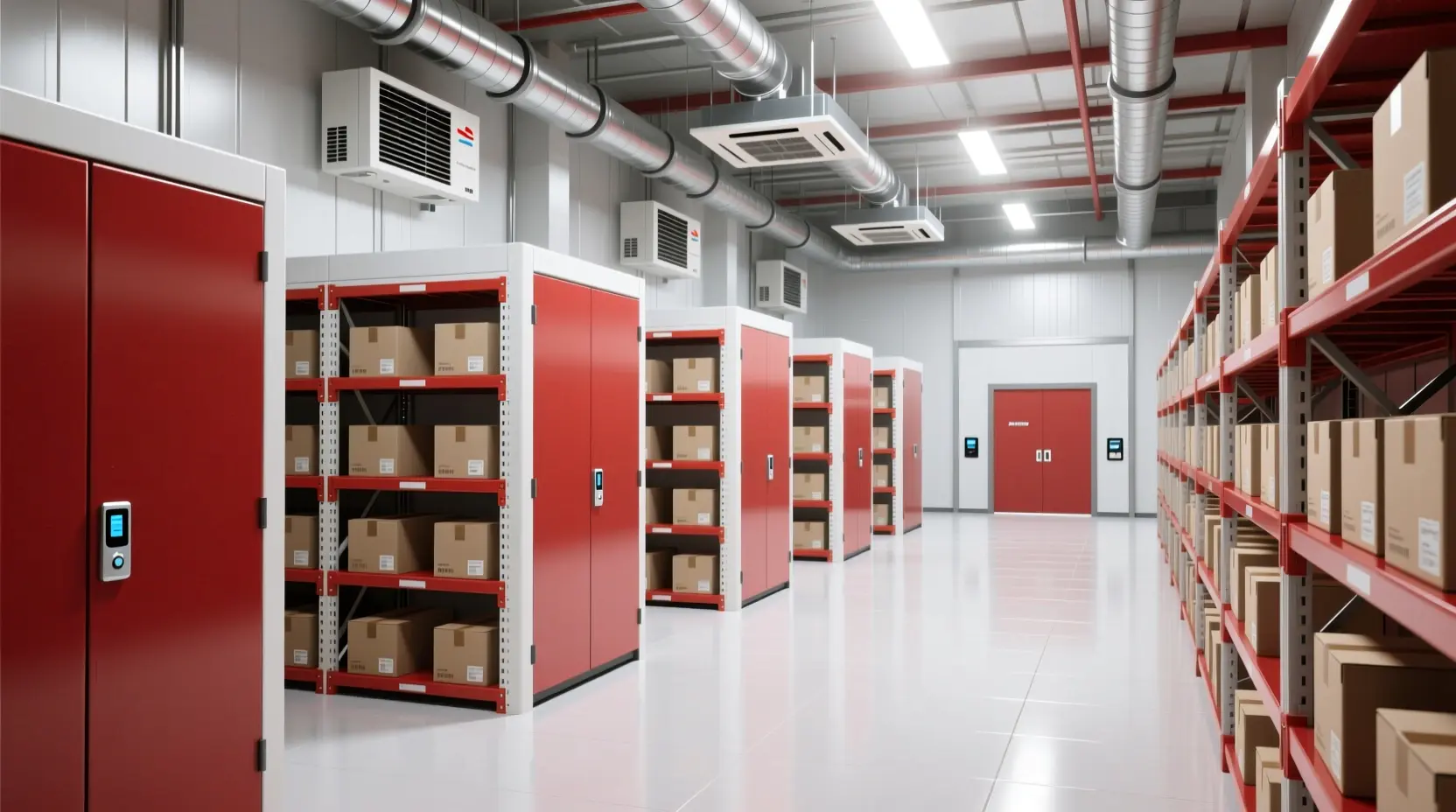
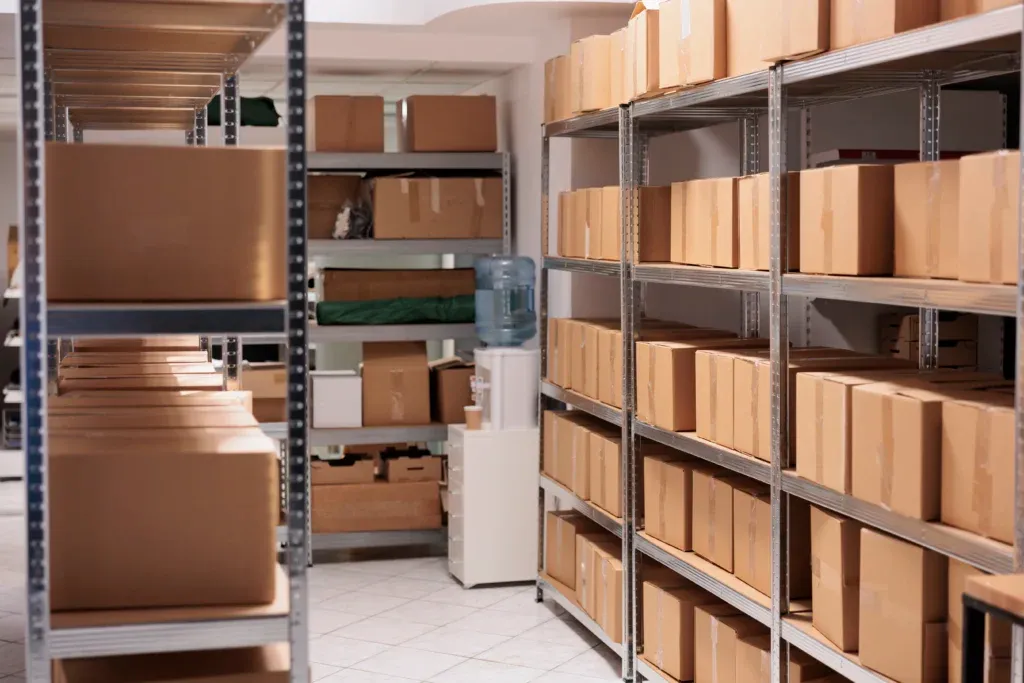
Box storage in Dubai is a specialized service where belongings are packed into standardized boxes, collected directly from homes or offices, stored securely in warehouses, and delivered back on demand. Climate-controlled box storage ensures that items remain safe from Dubai’s extreme heat, high humidity, and frequent dust exposure.
Box storage has become a solution that reflects Dubai’s rapid urban growth, smaller apartment sizes, and fast-paced relocation cycles. With more families and professionals moving between communities such as Marina, JLT, Business Bay, and Arabian Ranches, the need for flexible, affordable, and climate-protected storage has never been higher.
Why Is Box Storage Growing in Dubai?
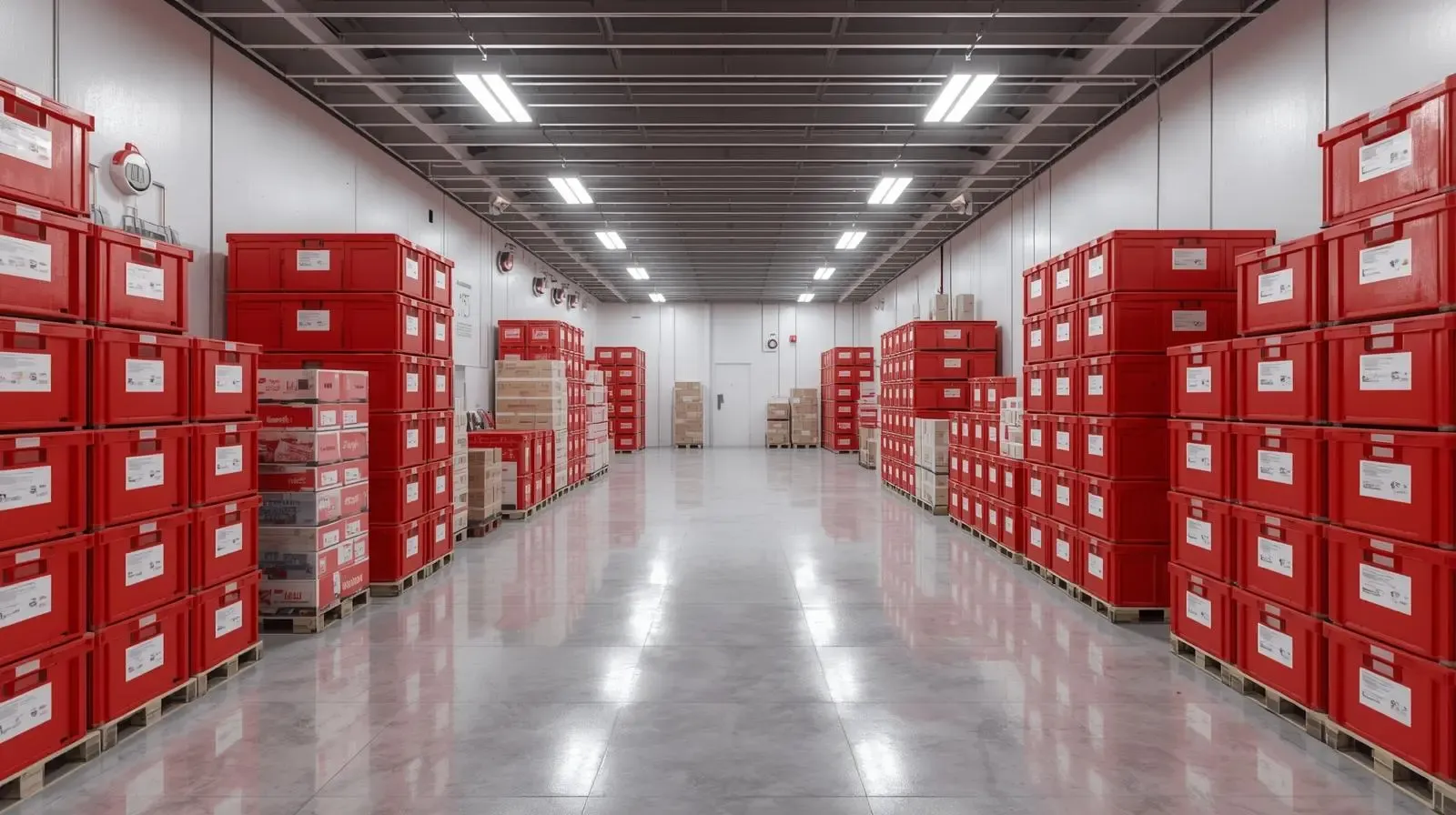
Box storage is expanding rapidly in Dubai because of limited residential space, frequent relocations, and environmental risks, creating an urgent demand for flexible and climate-controlled storage.
-
In 2025, Dubai is the most populated emirate in the UAE, with an estimated 3.95 million residents.
-
Apartment sizes in Dubai can vary significantly depending on the type of apartment and the specific building. Here’s a general breakdown:
-
Studios: 330 sq ft – 700 sq ft (approx. 31 m² – 65 m²)
-
One-Bedroom: 750 sq ft – 1300 sq ft (approx. 70 m² – 120 m²)
-
Two-Bedroom: 1350 sq ft – 2000 sq ft (approx. 126 m² – 186 m²)
-
Three-Bedroom: 2200 sq ft – 6000 sq ft (approx. 204 m² – 557 m²)
-
Dubai’s property market reached new highs in the first half of 2025, building on the momentum of an already strong 2024. More than 99,000 sales transactions were recorded in H1, up from 81,286 during the same period last year, with a total value approaching AED 329 billion.
Why climate control is crucial in this growth
- Many households that use non-climate-controlled storage through a Dubai summer find mould, warping or corrosion when they unpack.
- Climate-controlled storage that holds relative humidity below 60% removes the main trigger for mould and corrosion, so damage is far less common.
- Replacing furniture, electronics, and clothes ruined by heat and humidity usually costs far more than the storage itself.
Box storage in Dubai is no longer a niche convenience — it is a mainstream necessity. Climate-controlled services dominate growth because they directly reduce financial loss and stress during relocations and renovations.
What Is Box Storage in Dubai?
Box storage in Dubai is a managed pay-per-box service where providers deliver cartons, collect them once filled, catalog them using barcodes, and store them securely until retrieval is requested.
How it differs from traditional storage
Unlike self-storage, which charges by square footage, box storage is volume-based, making it more affordable for individuals with small storage needs. Instead of paying for a 25 sq. ft unit at AED 400–550 per month, a Marina resident may store six boxes of seasonal clothes for AED 180 per month.
Features of Dubai box storage providers
- Doorstep collection & delivery → Vital in communities like Business Bay, where parking is limited.
- Barcode & digital inventory tracking → Customers know exactly where each box is located.
- On-demand retrieval → Single-box delivery within 24–48 hours.
- Flexible contracts → Plans ranging from 1 month to 12+ months.
Example: A Business Bay professional stored four boxes of work documents and electronics for six months. Instead of paying AED 2,400 or more for a 25 sq ft unit, he paid AED 1,080 for box storage.
How Do Climate-Controlled Box Storage Facilities Work?
Climate-controlled box storage facilities regulate air quality, temperature, and humidity to keep items safe from Dubai’s heat, dust, and moisture.
Key environmental risks in Dubai
- Heat: Between May–September, daily highs average 38–41 °C, with peaks above 45 °C.
- Humidity: Night humidity along Marina and JBR regularly reaches 70–80%, accelerating mold growth.
- Dust storms: Several per year, carrying fine sand that infiltrates non-sealed spaces.
How climate-controlled facilities respond
- Temperature stability: Maintained between 18–24 °C.
- Humidity control: Dehumidifiers keep relative humidity between 40–55%.
- Air quality: Multi-stage filters reduce dust and spores.
- Digital monitoring: Sensors log data 24/7, with alerts for deviations.
In Dubai’s climate, climate control is the difference between preservation and predictable loss.
Why Does Climate-Controlled Box Storage Matter in Dubai?
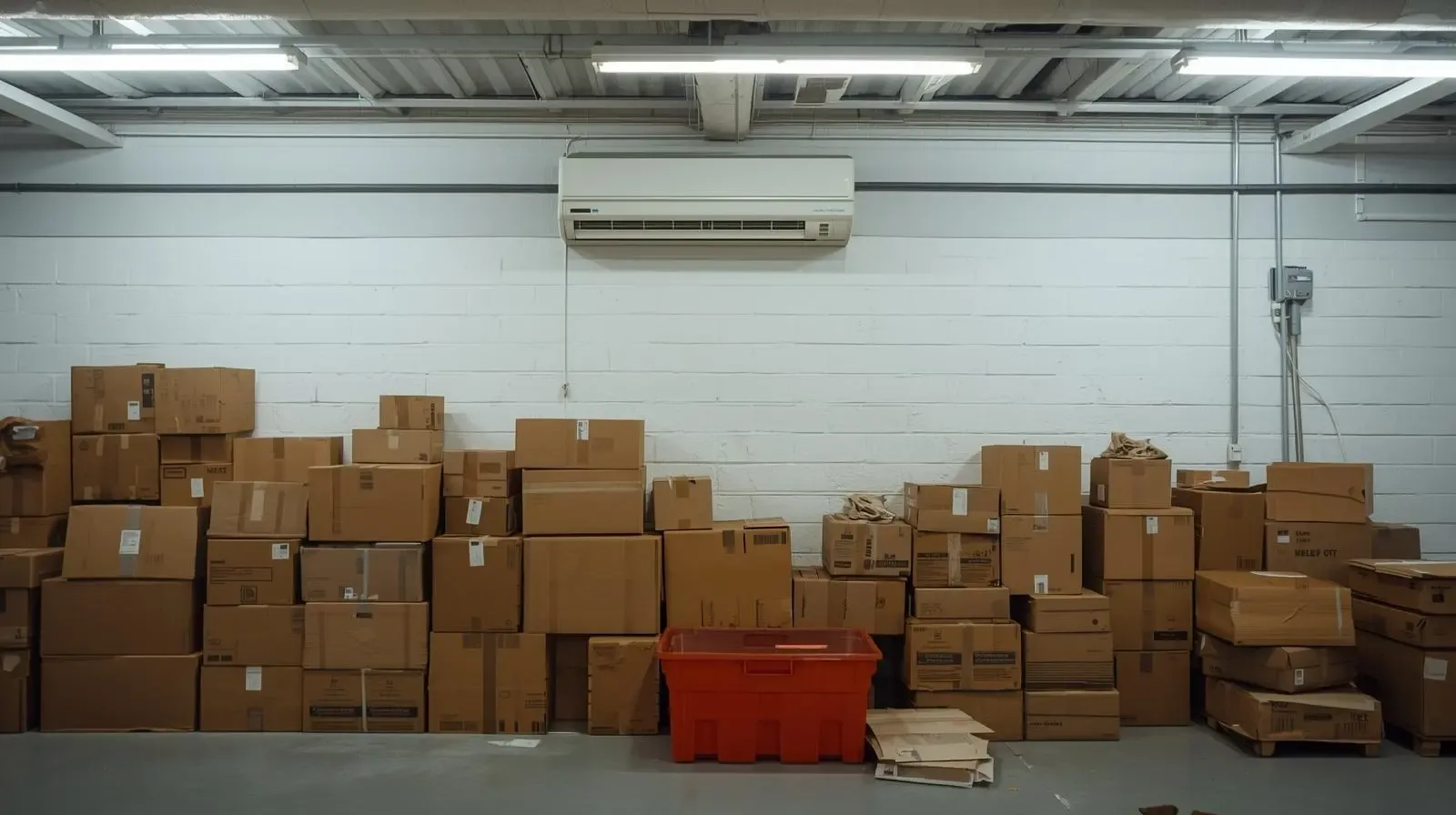
Climate-controlled box storage is essential because it protects items from heat, humidity, and dust damage that are unavoidable in Dubai.
Environmental and financial impact
- Heat: Plastics warp and adhesives soften above 40 °C.
- Humidity: Mold grows at ≥60% RH, damaging fabrics and documents.
- Dust: Fine particles scratch glass, clog fabrics, and degrade electronics.
Households storing items in uncontrolled facilities can face replacement or repair bills running into thousands of dirhams after a single humid summer. For SMEs, especially those storing archived contracts or HR files, losses escalate into tens of thousands of dirhams if compliance documents are ruined.
By paying the climate-control premium, residents and businesses protect against the financial shock of damaged goods and maintain compliance with UAE data protection laws.
What Items Need Climate-Controlled Box Storage in Dubai?
Electronics, documents, fabrics, artworks, and furniture components are most at risk in Dubai and require climate-controlled box storage.
High-risk categories with evidence
- Electronics: Laptops, routers, consoles → corrosion starts above 60% RH.
- Documents: DIFC contracts, passports, deeds → archival stability requires 35–50% RH.
- Fabrics & leather: Designer clothes, abayas, carpets → mold appears in humid environments.
- Art & instruments: Paintings, wooden furniture, guitars → adhesives and varnish degrade with swings.
Illustrative example
Picture a JVC villa family storing 10 boxes of clothes and electronics during a six-month renovation.
- Climate-controlled storage: Held below 60% RH, the boxes avoid the main trigger for mould and corrosion.
- Standard storage: In an uncontrolled space through a JVC summer, fabrics risk mould and laptop batteries and contacts risk corrosion.
The cost of prevention is always lower than the cost of replacement in Dubai’s climate.
How Much Does Climate-Controlled Box Storage Cost in Dubai?
Expect AED 30–50/box/month for climate-controlled box storage in Dubai, vs AED 25–40/box/month for standard storage; full self-storage units at Ruby run AED 200–2,800/month, from a 10 sq ft locker to a 200 sq ft room. Check current Dubai prices before you compare.
Snapshot of today’s market (orientation, not quotes)
- Per-box example: One Dubai operator lists a minimum of AED 95/month + VAT covering up to 3 boxes. That’s a useful anchor for small, flexible needs.
- Unit spectrum: Ruby’s published bands run from AED 200–400/month for a 10 sq ft locker to AED 2,300–2,800/month for a 200 sq ft room; many providers advertise climate-controlled rooms.
- Marketplace baselines: Aggregators routinely show entry “from AED 149/month” (unit-not-box, varies by location).
- Providers stating climate control: Many Dubai operators promote climate-controlled environments. Always verify setpoints/logs.
Why that small premium matters in Dubai
- Heat & humidity: Both are persistent—Dubai’s hot season runs ~14 May–24 Sep with August highs ~41 °C. Humidity along coastal areas often spikes on summer nights. Climate control reduces mold/corrosion risk during the riskiest months.
- Mold threshold: Indoor RH should be kept <60% (ideally 30–50%)—a widely accepted prevention band.
ROI model (simple)
- 10 boxes × 6 months in climate-controlled box storage at AED 40/box ≈ AED 2,400.
- Replacing one mid-range laptop + designer garments damaged by humidity/dust could easily exceed AED 3,500–5,000 + AED 1,500.
- In Dubai’s climate, the premium typically pays for itself with one avoided incident.
Tip: Whatever provider you choose for climate-controlled box storage, ask for downloadable temp/RH logs. If they can’t share them, treat “climate-controlled” as a marketing phrase rather than a controlled process.
What Are the Benefits of Climate-Controlled Box Storage?
In Dubai, climate-controlled box storage buys you protection, compliance, and convenience—in that order.
Protection you can measure
- Temperatures held ~18–24 °C; RH ~40–55% reduces mold and corrosion, which rise sharply above 60% RH.
- Electronics and PCBs suffer electrochemical migration once thin moisture films form around 60–70% RH; climate control keeps you under that risk line.
Regulatory peace of mind (for SMEs)
- The UAE’s Personal Data Protection Law (PDPL) sets a framework for handling personal data; logging who accessed which box when supports audit trails.
- Dubai’s DESC issues information-security regulations for public/semi-public entities; private firms often borrow those controls as good practice for archives held in storage.
- ASHRAE recommends RH <65% in occupied spaces to limit microbial growth—useful when providers operate mixed-use areas.
Operational convenience
Doorstep pickup and 24–48 h retrieval removes logistics friction in high-rise areas (Marina/JLT/Business Bay). Many providers barcode every box and maintain photo evidence at intake.
When Should You Use Box Storage vs Climate-Controlled Box Storage?
In Dubai, climate-controlled box storage is non-negotiable during the hot season (≈14 May–24 Sep), during dust alerts, and for sensitive items year-round.
Seasonal triggers (data-first)
- Hot season: 4.3 months, avg high >38 °C; August averages ~41 °C. Uncontrolled spaces swing wildly; boxes “breathe” moisture.
- Dust warnings: NCM frequently issues alerts that drop visibility below 2 km; settle-out dust loads fabrics and optics.
Item triggers (rule-of-thumb)
- Electronics/photo gear: Always pick climate-controlled (and add desiccant + anti-static bags). Thin moisture films and contaminants accelerate ECM above ~60% RH.
- Paper/archives: Favor cool, dry, stable conditions; LoC guidance targets ~35% RH for paper longevity—climate-controlled box storage gets you closest in Dubai.
- Textiles/leather: Aim for RH 45–55%; avoid damp spikes; climate-controlled box storage limits mold/odor risk.
How to Choose a Climate-Controlled Box Storage Provider
Choose on measured climate, security/compliance, and operational SLA—not on marketing phrases.
Climate you can verify
- Setpoints in contract: 18–24 °C and 40–55% RH for mixed content (tighter for archives/leather). Ask for weekly logs or on-demand exports.
- Sensors & alerts: 24/7 monitoring with exceptions flagged.
- Filtration: Dust is a constant; ask for filter change cadence and post-event SOPs (after NCM alerts).
Security & compliance hygiene
- Access logs + CCTV aligned with PDPL principles (traceability, minimization).
- Consider applying DESC-style controls (role-based access, audit readiness) for corporate records.
SLA & operations
- Retrieval SLA: 24–48 h is the city norm; faster is a premium.
- Barcode inventory: Photo intake + box-level IDs.
- Packaging standards: Acid-free for documents, breathable covers for textiles, anti-static + desiccant for electronics.
Scoring matrix (weighting example):
Climate monitoring & logs (30%), Security/PDPL (20%), Filtration & dust SOPs (15%), Retrieval SLA (15%), Price transparency (10%), Real reviews (10%).
Box Storage for Electronics & PCBs (Climate-Controlled)
Keep RH <60% to avoid moisture films and electrochemical migration; for sensitive ICs, store ≤10% RH in dry cabinets.
- What to pack: Anti-static bags, 20–50 g silica gel per box, humidity indicator cards.
- Why it matters here: Coastal humidity + dust contamination push assemblies toward ECM faster than in arid indoor spaces.
Box Storage for Photo Gear (Cameras/Lenses)
Climate-controlled box storage plus <60% RH stops fungus on optics; add silica gel or a dry cabinet insert.
- ZEISS guidance: Keep gear below 60% RH, avoid long dark/damp storage.
- Ideal storage bands for optics are often cited at around 35–50% RH.
Box Storage for Students, Interns, Rotational Expats
Summer absences overlap Dubai’s hottest, most humid months; climate-controlled box storage prevents RH-driven mold and electronics failures.
Box Storage for E-commerce Micro-Inventory
Cosmetics, apparel, and accessories hold value better in climate-controlled boxes; logs prove conditions if customers complain about odor, warp, or melt. (Verify temp/RH reports each month.)
Box Storage vs Self-Storage Unit
Climate-controlled box storage is pay-per-box with pickup; self-storage is pay-per-unit with DIY logistics.
| Feature | Climate-Controlled Box Storage | Climate-Controlled Self-Storage Unit |
|---|---|---|
| Typical Dubai price | AED 30–50/box/mo (benchmark min AED 95 covers up to 3 boxes at some providers) | AED 200 → 2,800/mo by size (Ruby, 10–200 sq ft) |
| Access | Door-to-door pickup/delivery (24–48 h) | Drive/visit facility; often 24/7 |
| Best for | Electronics, documents, wardrobe, micro-inventory | Furniture, bulk items, business pallets |
| Climate proof | Box-by-box control + logs (ask for exports) | Room-level control; ask for logs/setpoints |
| Space efficiency | High for small volumes | High for large, mixed loads |
Risk → Item Matrix for Climate-Controlled Box Storage (Dubai)
Dubai’s risk is a three-way: heat, humidity, and dust.
| Dubai Risk | What happens | Items in boxes | Climate-Controlled mitigation |
|---|---|---|---|
| Heat (>38 °C season; Aug ~41 °C) | Plastics warp; adhesives soften | Electronics, vinyls, framed decor | 18–24 °C setpoint; avoid hot mezzanines. |
| Humidity (≥60% RH) | Mold & ECM start | Textiles, paper, PCBs | Target 40–55% RH; keep <60% always. |
| Dust/storms (NCM alerts) | Abrasion, residue, odor | Fabrics, optics | Filtration + sealed cartons; intake wiping. |
Packing Bill-of-Materials for Climate-Controlled Box Storage
| Item | Qty/Box | Why it matters in Dubai |
|---|---|---|
| Silica gel (20–50 g packs) | 2–4 | Buffers RH in sealed cartons; check indicators (aim <60% RH) per EPA mold guidance. |
| Humidity indicator card | 1 | Visual check on retrieval; useful for electronics/prints. |
| Anti-static bags | As needed | Reduces static + contamination on PCBs/electronics. |
| Acid-free folders & boards | As needed | Aligns with LoC “cool, dry, stable” guidance for paper. |
| Breathable garment covers | As needed | Leather/textiles fare better near 45–55% RH. |
| Barcode + photo log | 1 | PDPL-friendly chain-of-custody for business archives. |
Climate Setpoints Sheet (By Item Type)
Use these target bands for climate-controlled box storage in Dubai.
| Item in Box Storage | Temperature | Relative Humidity | Note |
|---|---|---|---|
| Paper & archives | 18–22 °C | ~35–50% RH | LoC promotes cool, dry, stable, ~35% RH baseline. |
| Textiles | 20–24 °C | <60% RH | Mold accelerates above 60%. |
| Leather | 18–22 °C | 45–55% RH | CCI recommends this stability band. |
| Consumer electronics | 20–27 °C | ≤60% RH | Keep under the moisture-film threshold. |
| Moisture-sensitive ICs | 20–27 °C | ≤10% RH | JEDEC J-STD-033 dry-cabinet spec. |
| Artwork/wood/instruments | 20–22 °C | 40–55% RH | Museum-class bands vary by object; aim mid-range. |
Conclusion: Climate-Controlled Box Storage is the Dubai Default
In Dubai, climate-controlled box storage is the default for anyone who values their belongings. It mitigates heat spikes, controls humidity below mold/corrosion thresholds, and blocks dust intrusion—while giving you door-to-door convenience and compliance-ready logs.
- Population momentum + transaction churn: Means more moves, more renovations, more temporary storage—more than 99,000 sales transactions in H1-2025 alone.
- Climate physics don’t bend: Hot season ~4.3 months, Aug ~41 °C; RH <60% is the preventative line for mold and many electronics failures.
- Quality over guesswork: Pick climate-controlled providers who can export sensor data, show filtration SOPs during dust alerts, and meet your retrieval SLA.
If you remember one line: “In Dubai, climate-controlled box storage is insurance against the climate itself.”