What Is Box Storage in the UAE? A Smart, Compact Fix for Urban Space Struggles
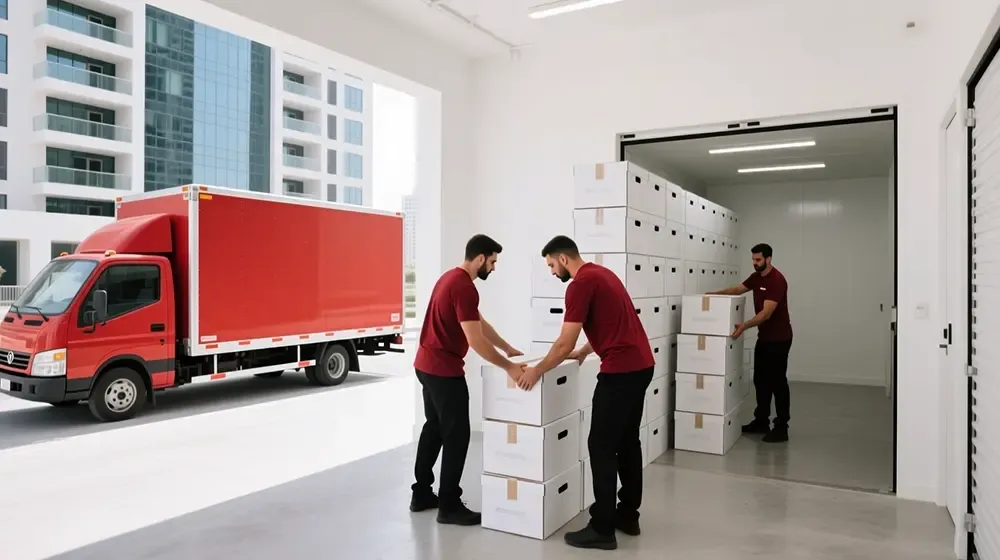
City homes in the UAE are compact. Wardrobes fill fast. Hallways carry boxes. Clutter reduces living quality. Box storage solves the space strain with secure, climate-controlled units and on-demand pickup options. This article explains what box storage is, why it matters for urban living in the UAE, and how a smart, compact system fits real apartments. Its focus is the apartment: how to tell whether your flat needs it and what to check before you book.
What Is Box Storage in the UAE?
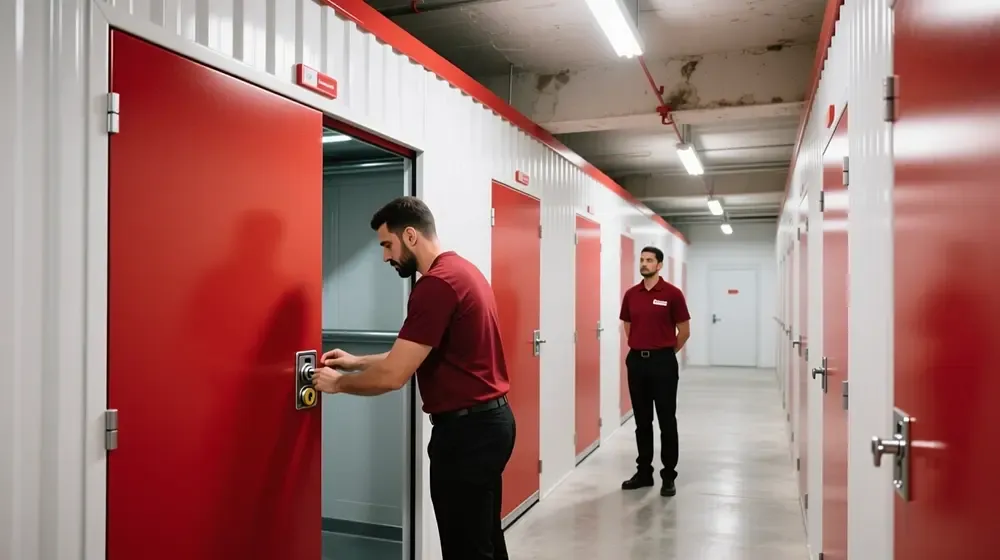
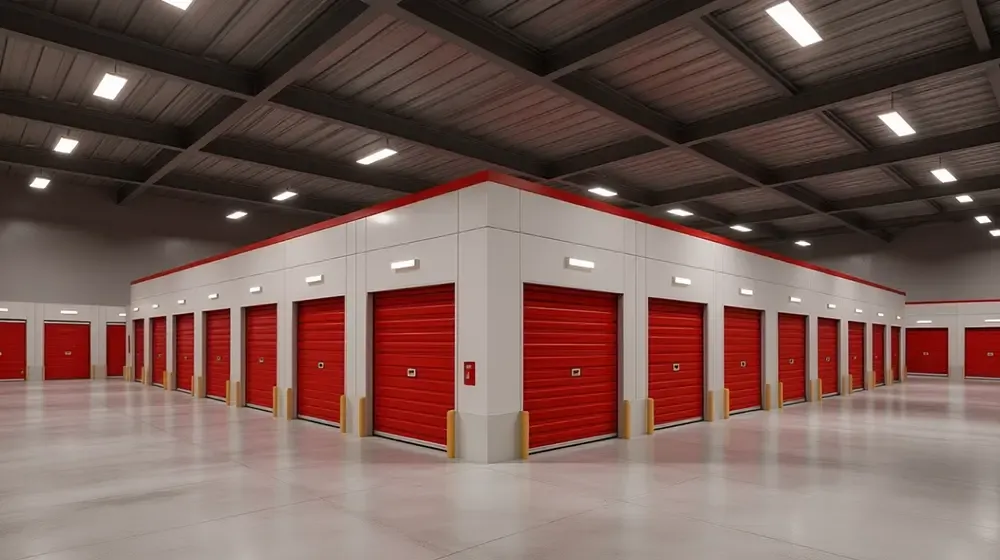
Box storage in the UAE means keeping packed boxes and small items off-site, either through a valet service that collects sealed boxes and charges per box, or by renting a small locker or unit that you fill and visit yourself. Facilities typically feature climate control, 24-hour CCTV monitoring, coded entry, and short-term or monthly rental options. Several providers now offer door-to-door collection and return services for urban clients who prefer convenience and reduced travel time.
Core Features of Modern Box Storage Facilities
Modern box-storage companies operate with integrated logistics models rather than static warehouse rental. They rely on digital booking systems, customer apps, and tiered security protocols to meet urban expectations.
- Climate-Controlled Environments: Climate-controlled space is one of the fastest-growing parts of the UAE’s storage industry.
- Flexible Leasing: Many providers offer one-month terms, and upsizing or downsizing is often possible from the next billing cycle.
- Technology Integration: Online dashboards, pickup scheduling and payment tracking are now standard at many operators.
- Prime Urban Locations: Facilities near Dubai Marina, JLT and Business Bay in Dubai, and Al Reem Island in Abu Dhabi, aim to keep drive times short for nearby residents.
Why is demand rising for box storage in UAE cities?
Living in a compact city compels individuals to maximize what is available in every square meter. Storage in high-rise districts is minimal, and the cellar is uncommon. Box storage offers instant overflow, which responds to life events and inventory requirements.
Urban space pressure and turnover
The UAE is a very urbanized country. Over four out of five are urban residents, which means that demand is concentrated in cities with smaller apartments and a high rate of turnover. This results in peaks of temporary storage in terms of moves, renovations, and transitions between leases.
- In crowded districts, apartments often come with tight closets and small utility rooms, which pushes residents towards external storage.
- The high frequency of relocations in and out of the Emirates raises short-term storage requirements of boxed items and furniture.
Economic and lifestyle drivers
Several demand-side forces favour box storage in the UAE. Expat mobility and flexible leases create short spikes in demand for safe, climate-regulated space. SMEs and online sellers also use units as mini-warehouses for stock, returns, or event materials.
- Mobility and temporary housing: Professionals moving between free zones and business hubs create steady demand for month-to-month storage.
- E-commerce momentum: Operators note merchants taking 50-150 sq ft units to handle overflow, and the national storage market is forecast to keep growing through 2030.
- Unit economics vs living space: Some emirates have entry prices as low as AED 400-450/month for climate-controlled 5 m2 units; in Dubai, Ruby’s published price for a 50 sq ft (about 4.6 m²) unit is AED 650–850/month. Either way, it is much less than renting additional residential space solely to store items.
- Real estate context: Developers and analysts expect demand for external storage to persist as apartment formats keep getting more compact.
How does box storage work in the UAE?
Urban residents want simple storage that fits small apartments and busy schedules. Box storage in the UAE delivers three service paths and a short, app-based process. Facilities add climate control, CCTV, and flexible terms to protect items in extreme heat.
Service types explained
1) Standard unit rental
You rent a private unit sized to your inventory, from compact lockers to full rooms, and access it during stated hours. UAE providers list sizes from about 12 sq ft up to 1,000 sq ft, covering a few cartons to full apartment contents.
2) Valet or on-demand pick-up storage
A crew collects sealed boxes or furniture from your door, stores them securely, then returns items when requested via app or WhatsApp.
3) Business and inventory storage for SMEs and e-commerce
SMEs use units as micro-warehouses for overflow, returns, or seasonal stock, often integrating delivery runs from storage to customers. Market tracking in the UAE shows steady growth in operator count and SME usage alongside rising e-commerce demand.
What are the benefits of box storage for urban dwellers in the UAE?
Compact apartments, rising rents, and intense summer heat shape daily life in UAE cities. Box storage adds space without moving homes and protects items from heat and humidity. The model fits high-rise districts and mobile lifestyles across Dubai and Abu Dhabi.
Space efficiency: clear rooms, keep essentials at home
Box storage moves infrequently used items out of living areas, so wardrobes and utility rooms stay functional. Typical providers offer everything from small lockers to room-sized units, so residents can right-size capacity to actual volume instead of overpaying for larger flats.
Flexibility: month-to-month coverage for life events
Short contracts fit lease gaps, renovations, and relocations. Free-zone and city labor mobility keeps churn high, which elevates month-to-month storage demand, especially in expat communities. Many UAE operators now let users upscale or downscale units via app in one billing cycle, aligning space with actual need.
Cost savings: add capacity without renting a bigger flat
Rents climbed sharply in 2024, with Dubai apartment rents up 14.3% year-on-year in Q1 and 12% by Q4, which raised the monthly cost of upsizing purely for storage.
Protection: climate-controlled storage for heat and humidity
Summer highs in Dubai average around 40–41 °C in August, with inland peaks reported above 50 °C, which risks damage to wood, textiles, and electronics. Facilities advertise air-conditioned units that stabilize temperature and humidity to reduce warping, mold, and battery degradation.
Peace of mind: security, insurance options, and predictable access
Providers list 24/7 CCTV, staffed security, and controlled entry as baseline security features, with published access windows and optional insurance for stored goods. Door-to-door models reduce reliance on friends or spare rooms. App-based retrieval shortens the time to access specific boxes or items.
What problem does box storage solve in hot, humid coastal cities?
Summer heat and coastal humidity in the UAE damage wood, paper, fabrics, and electronics. Climate-controlled box storage reduces this risk by stabilizing temperature and relative humidity for months at a time.
Heat and humidity exceed safe ranges for stored goods
Peak summer in Dubai averages daily highs near 41–42 °C in August, with the hot season above 38 °C for more than four months. Inland stations have logged spikes above 51 °C, confirming extreme events that stress materials. Coastal humidity averages around 60% RH across the year (monthly averages of roughly 53–65% RH), but humid summer nights and early mornings push it much higher, as our summer humidity guide explains. Museums and conservation guidelines aim for ~45–55% RH to prevent warping and mold, a range well below many UAE summer conditions.
What items benefit most in the UAE coastal cities
- Furniture and wood finishes: less warping and joint movement when RH stays near 45–55%.
- Paper, documents, and textiles: lower mold risk when RH remains below 60%.
- Electronics and batteries: reduced corrosion and moisture-induced failures at controlled RH.
What cost should you expect?
Prices anchor decisions for urban living in the UAE. Box storage adds capacity without the rent burden of a larger flat. Per-box valet plans in Dubai typically cost about AED 30–50 per box per month for climate-controlled storage (see our box storage price guide), while a self-access unit at Ruby runs from AED 200–400 a month for a 10 sq ft locker; check current Dubai prices by size. Below is a focused view of unit trends and a simple cost comparison against renting a bigger flat.
1) Unit-size revenue mix: what residents actually choose
Analysts report “medium” units as the largest revenue segment in 2024, while “large” units are the fastest-growing to 2030, signaling demand from both apartment households and inventory-heavy users.
2) Cost context vs renting a bigger apartment
Residential rents climbed across 2024 (see the figures above), which raised the monthly cost of upsizing purely for storage capacity.
Implication: Even at AED 1,000/month, external storage can undercut the rent premium of a larger flat during periods of double-digit annual rent growth, while keeping climate control and security for sensitive items.
What core benefits does box storage deliver to urban living in the UAE?
The homes in the city are time, space, and budget-constrained. Box storage creates additional space, reduces expenses, and secures valuables during hot seasons for residents. The model corresponds with high-density and vertically-oriented districts of Dubai and Abu Dhabi.
1) Space gain: reclaim floor area without moving
Most UAE residents live in cities, so apartments carry storage pressure. Providers offer everything from small lockers to full rooms, allowing residents to shift infrequently used items off-site and keep essential items accessible at home.
2) Flexibility: short terms for life transitions
Lease gaps, renovations, and job moves are common in high-mobility cities. With rents still rising, short, scalable storage contracts help bridge periods without committing to larger flats. Major operators support month-to-month plans, quick upgrades or downgrades, and digital management.
3) Cost control: capacity at a lower monthly outlay
Small climate-controlled units cost a few hundred dirhams a month: in Dubai, Ruby’s published bands run from AED 400–550 for 25 sq ft to AED 650–850 for 50 sq ft. In contrast, upsizing an apartment in a rising-rent environment can add thousands of dirhams yearly.
4) Protection: climate control for heat and humidity
Dubai’s hottest month averages ~41–42 °C daily highs, and coastal humidity averages about 60% RH with much higher peaks on humid nights, conditions that warp wood and foster mold on paper and textiles. Facilities advertise air-conditioned storage to hold ~18–24 °C and moderate RH, lowering risks for furniture, fabrics, and electronics.
5) Peace of mind: security and predictable access
Baseline security includes 24/7 CCTV, guarded premises, and controlled entry, with published access windows and optional insurance at UAE sites. Door-to-door models reduce reliance on friends or spare rooms and enable scheduled returns for specific boxes or items.
What should you evaluate before choosing a box storage provider in the UAE?
A smart, compact storage decision starts with facts. Focus on proximity, right-sizing, climate control, access, security, contract clarity, and reputation. The goal is a safe capacity at a predictable monthly cost that fits urban living in the UAE.
1. Location and access time
Choose facilities on your daily routes to cut travel time and loading effort. UAE operators publish branch lists and booking steps so you can compare drive times before paying.
2. Size, scalability, and formats
Right-size the unit to avoid overpaying. UAE size guides run from small lockers up to full rooms, covering cartons to full apartment sets. If you prefer no driving, compare valet/on-demand services that pick up and redeliver items on request.
3. Climate control and environmental protection
UAE summer heat and coastal humidity justify climate-controlled storage. Look for air-conditioned units with stated temperature and humidity targets; several providers market climate control as a core feature. Ask whether the facility follows a written storage-environment standard for consumer products or mixed materials that need stable conditions.
Tip: Ask for the temperature and humidity set points in writing, along with any climate-control rules for sensitive materials such as wood, textiles, and electronics.
4. Security layers and access control
There should be 24/7 CCTV, restricted access, and manpower in place. Some published UAE offers bundle CCTV, guards, climate control, and flexible terms into the monthly price, so ask what yours includes.
Ask to see: CCTV coverage plan, access control strategy (PIN/app), visitor policy, and fire protection.
5. Rental agreement, fees, and insurance
Check the contract on minimum terms, policy on late fees, lien/auction, and insurance. Clarify whether insurance is included or optional, and remember that published UAE promos tend to show the price of storage alone, without add-ons such as packing and pick-and-pack services. Many home contents policies exclude goods in storage.
Governance signal: Look for plain-language terms, a stated complaints process and a named contact. There is no storage-specific consumer code in Dubai, so the written contract is what protects you; read it before you sign.
6. Reviews, reputation, and service responsiveness
Scan operator age, branches, and published service levels, and note where each operates (e.g., Dubai Marina, JLT, DIP, Al Quoz). If you need 24/7 keyless access or a small app-managed unit, confirm it in writing before booking.
Decision checklist
- Distance from home/work: ___ km; typical drive time: ___ minutes.
- Unit size short-list: locker / 25 sq ft / 50 sq ft / 75 sq ft / 100 sq ft / other (per operator charts).
- Climate control specs requested: temperature ___ °C; RH ___ %.
- Access & security confirmed: CCTV, access method, access hours, fire protection.
- Contract: minimum term ___; late fees ___; disposal policy ___; insurance included?
- Services: pickup/delivery, packing, shelving, “pick & pack.”
What challenges or limitations exist with box storage in the UAE?
Compact storage solves space pain points, but it has trade-offs. Check pricing, access windows, contract provisions, restricted items, and location before booking, so you can anticipate costs and keep access simple.
1) Access constraints and loading limitations
Certain facilities or certain buildings include fixed access hours or coordinated loading bays and freight elevators, which slow down move-ins. UAE listings often state 24/7 CCTV but not necessarily 24/7 access, so ensure that hours and procedures are in writing.
2) Long-term commitments and lien clauses
Promotions can have minimum terms or minimum notice durations. Lien and disposal rights may also be provided in door-to-door models in case invoices are not paid.
3) Item restrictions: hazardous and perishable goods
Operators publish lists of prohibited items for safety and compliance. Common prohibitions are flammables, dangerous chemicals, and perishables, in line with Dubai building and dangerous-goods provisions.
4) Location availability and central-city premiums
Core urban areas may be expensive or congested, resulting in people moving to secondary areas with more favorable loading and charges. In UAE market roundups, operators are located in and around Al Quoz, DIP and JLT/Marina in Dubai and on Al Reem Island in Abu Dhabi, where security and CCTV are the norm, although prices differ according to proximity and building logistics.
What is the future outlook for box storage in urban UAE living?
Demand should keep rising as city density, e-commerce, and mobile lifestyles change how residents use space. Providers will add formats and build more technology into the service. The result is a smarter third space between home and office for UAE city residents.
Market growth: size and velocity
The UAE self-storage market is projected to expand from USD 602.5 million in 2024 to USD 859.2 million by 2030 at a ~6.3% CAGR, with medium units leading revenue today and large units growing fastest to 2030. For regional context, the Middle East & Africa self-storage market reached USD 2.25 billion in 2024 and is set for ~6.5% CAGR through 2030, signaling a supportive macro backdrop for UAE operators.
Format shift: micro-lockers and hyper-local access
Micro-lockers and small units in close towers should expand as an underserved market. The UAE category trackers have emphasized operator proliferation and format diversity, with compact lockers being located near residential clusters.
Tech and on-demand: from warehouse to logistics platform
On-demand models that collect, store, and place objects through the application will further scale. UAE operators already sell monthly billing, cancel anytime flows, and WhatsApp support, which reduces friction in short stays and frequent movers. Such characteristics are in line with Dubai logistics advantages and e-commerce infrastructure, as noted by Dubai Chambers in its material on economic outlook, which follows transport, warehousing, and digital commerce as pillars of structural growth.
Business adoption: SMEs and e-commerce drive steady demand
SME formation continues to rise: Dubai SME reported strong new-business creation in 2024, reinforcing near-term demand for flexible inventory and event storage among startups and micro-retailers. The UAE ranks as the second largest e-commerce market in the GCC, only behind Saudi Arabia. In 2023, the UAE’s e-commerce market reached a total size of USD 7.5 billion. This market is projected to exceed USD 13.3 billion by 2028.
Implication for urban living: the “third space” becomes routine
As density increases and digital logistics become the norm, the box storage is the third space that residents and SMEs use as a utility: capacity through an app that can control the climate and security. Practically, this means that smaller homes will remain untidy and businesses will not be tied to extended leases, all within an ecosystem of micro-locker service points and on-demand pickups.
In short: By 2030, UAE box storage is larger, more local, and more digital, serving as an everyday extension of urban homes and compact workplaces.
Are you a good candidate for box storage?
- Do you have more than 20 % of your 60 m² apartment filled with items used less than once a month?
- Are you expecting to move apartments in the next 12 months?
- Do you store seasonal or bulky items (e.g., furniture, sports gear, boxes) that occupy home space?
- Would you prefer paying ~AED 400–1,000/month for external storage rather than upgrading to a bigger flat?
- Do you value secure, climate-controlled storage over leaving items at friends/family?
Scoring guide: 0–1 “Probably not”, 2–3 “Consider storage”, 4–5 “Strong candidate”.
What is the bottom line for box storage in the UAE?
Box storage solves urban space strain with secure, climate-controlled capacity that scales by month. Apartments stay clear. Budgets stay predictable. App-based pickup and returns reduce friction. For compact city homes, this smart, compact system functions as a dependable third space.
Why it matters now
Rents rise. Units shrink. Summers run hot. A small, climate-controlled unit replaces an extra room. The result is order, protection, and simple access for daily life in Dubai and Abu Dhabi.
What to do next
List items by volume. Shortlist providers by location, access hours, and climate specs. Verify price, contract, and insurance. Match a 5–10 m² unit to your overflow. Revisit size quarterly to maintain cost control and space efficiency.