Packing Tips for Storage in Dubai: How to Protect Your Belongings from Heat, Humidity, and Dust
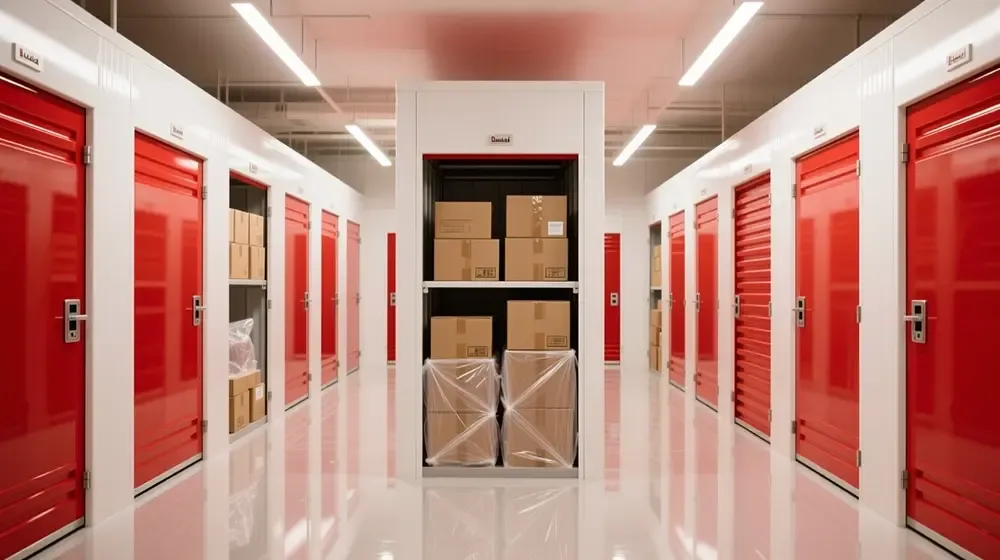
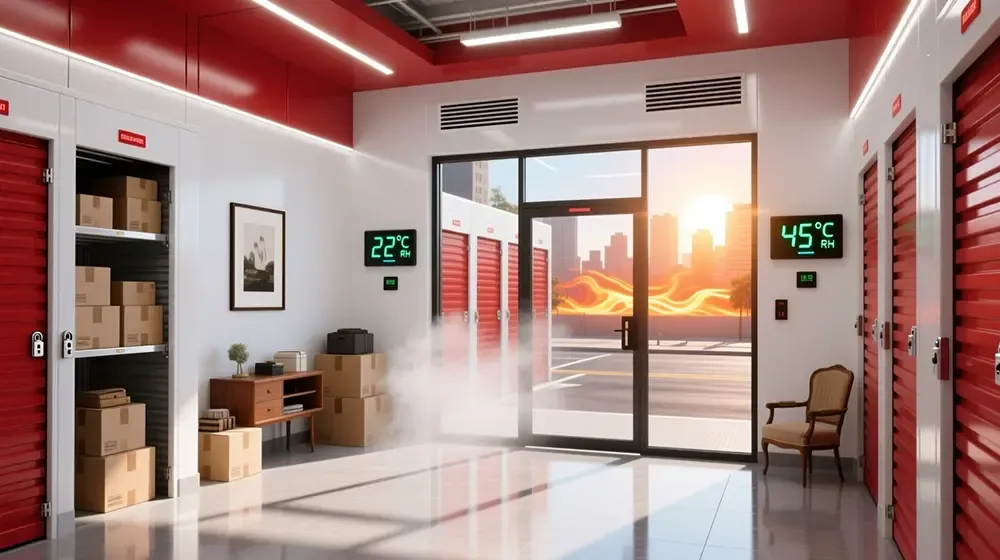
Packing for storage in Dubai is not just about boxing items; it’s about survival in one of the world’s harshest climates. Summers often exceed 40°C, while humidity spikes to 70–90% along the coast, accelerating mold growth, corrosion, and warping.
Key facts for Dubai residents:
- Good climate-controlled storage holds a stable, cool temperature and keeps RH in check; for paper and photographs, conservation bodies such as the Library of Congress recommend about 21°C or below and 30–50% RH. Ask any facility for its set range in writing.
- High humidity accelerates mold; once RH stays above about 60%, mold can start growing within days.
- Sensitive items like art, documents and electronics are the ones most worth keeping in climate-controlled space in Dubai.
This guide provides universal packing rules, item-by-item protection methods, location-specific strategies, and tailored tips for students, renters, families, businesses, and hobbyists in the UAE. From paper and photographs to electronics, textiles, furniture, and collectibles, it explains how to extend the lifespan of valuables despite climate extremes. By following these methods, Dubai residents can keep belongings in good condition for far longer than in an uncontrolled garage or balcony store.
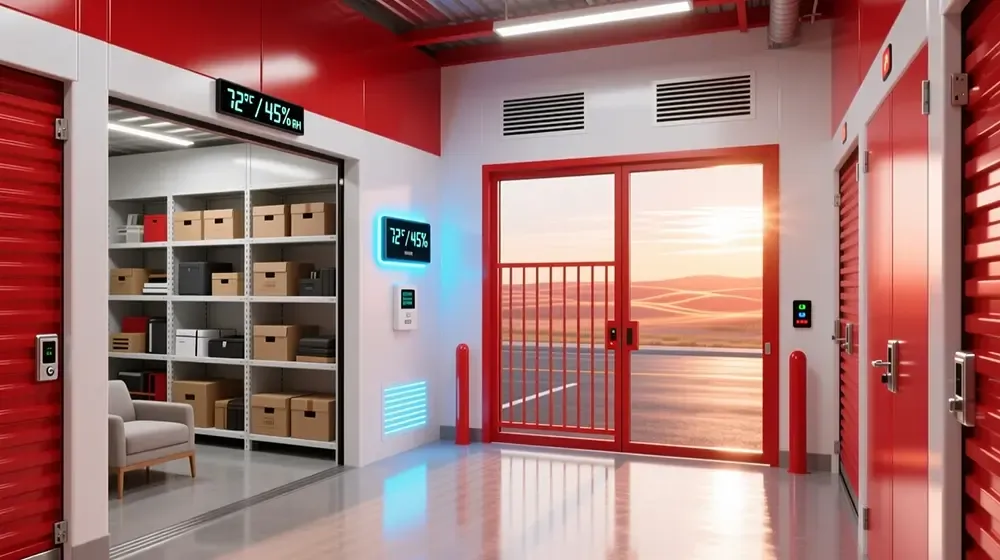
What are the universal packing tips for storage in UAE conditions?
The universal packing tips for storage in the UAE are temperature and RH control, acid-free enclosures, and elevation against flood or sand intrusion.
Storage Risks in Dubai
- Temperature: Stable and cool in climate-controlled units; avoid non-AC garages during summer.
- Relative Humidity (RH): 30–50% target; >60% causes rapid mold growth.
- Air quality: Use sealed cartons; desert dust infiltration is common in Dubai suburbs.
Enclosure Materials
- Acid-free, lignin-free boards extend paper life by decades, even in coastal humidity.
- Polyethylene or polypropylene boxes resist salt-laden air better than corrugated cardboard.
Boxing & Elevation
- Store boxes on raised pallets or racks at least 10–15 cm above the floor to avoid seepage during rare but damaging floods.
- In villas with garages, use latch-lid totes with rubber gaskets to resist humidity and dust.
Packing Method: Boxes, Wrapping, Disassembly, Labelling and Stacking
- Boxes: Use new double-wall cartons of two or three standard sizes so they stack evenly, and keep each box to about 18 kg.
- Wrapping order: Wrap fragile items individually in paper first, then bubble wrap; fill gaps so nothing shifts. Use breathable covers, not stretch film, on wood and upholstery.
- Disassembly: Take legs off tables, dismantle bed frames, and bag screws and fittings, taping each bag to the piece it belongs to.
- Labelling: Mark every box on two sides with the room, contents and a number, and keep a matching inventory list on your phone.
- Stacking: Heavy boxes at the bottom, light ones on top, nothing on soft furniture, and a narrow aisle so the back of the unit stays reachable.
Which mistakes shorten the lifespan of items in Dubai storage?
Dubai residents risk item loss by choosing non-AC storage units, storing directly on concrete floors, and using plastic wraps without ventilation.
Common errors:
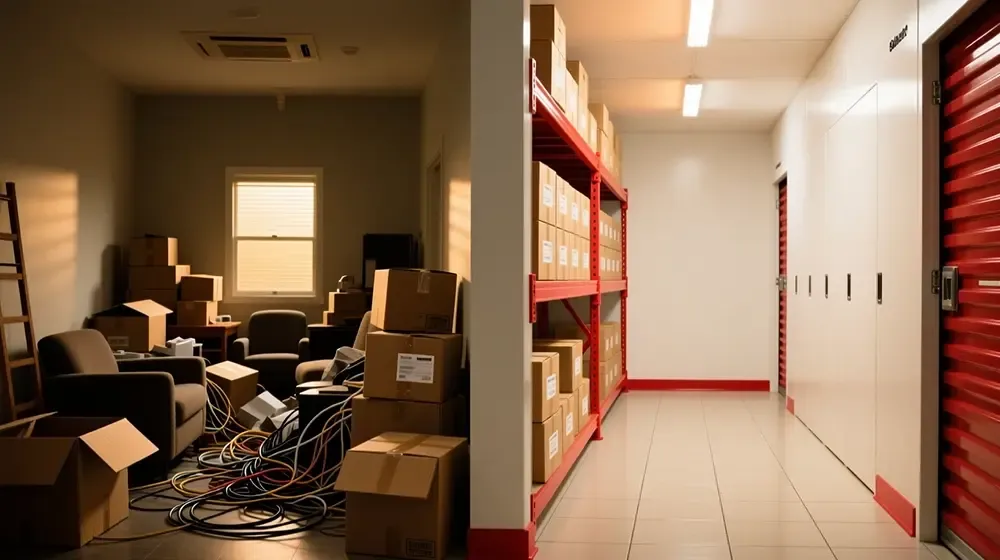
- Storing electronics in open garages where summer temps exceed 45°C.
- Wrapping wood furniture in non-breathable plastic can lead to condensation and mold.
- Leaving boxes on villa floors is vulnerable to sandstorms and minor flooding.
How do climate-controlled units extend lifespan in Dubai?
Climate-controlled units extend lifespan by stabilizing temperature and RH year-round.
Direct impact:
- Paper ages markedly more slowly when kept cool and dry; the Canadian Conservation Institute notes that typical paper lasts about twice as long at 30% RH as at 50% RH at the same temperature.
- Electronics kept at moderate, stable RH face much less corrosion than devices left in humid garages.
- Antique furniture retains polish and joints longer in AC storage, compared to non-climate garages.
Packing Tips for Storage in Dubai Climate
| Item Type | Typical Non-AC Storage Risk | In Climate-Controlled Storage | Best Practice |
|---|---|---|---|
| Paper/Books | Yellowing, mold and foxing after humid summers | Slow, stable ageing | Acid-free boxes, RH 30–50% |
| Electronics | Corrosion, failed batteries, heat damage | Much lower corrosion risk | Anti-static bags, AC storage |
| Furniture | Warping, cracked veneer, loose joints | Joints and finishes stay stable | Breathable covers, AC control |
| Photos/Film | Fading, sticking and mold | Slower fading | PAT sleeves, cool/dry storage |
For UAE/Dubai residents, packing tips for storage focus on defeating extreme heat, coastal humidity, and dust. The proven methods are climate-controlled units, acid-free enclosures, gasketed boxes, and elevation. By following these strategies, households and businesses in Dubai can extend the useful life of valuables considerably.
Item-Type
How should you pack paper records and books for storage in Dubai?
Paper and books in Dubai face high coastal humidity and dust intrusion. The best packing tips for storage are acid-free enclosures, climate-controlled units, and RH 30–50%.
Practical Packing Checklist
- Use acid-free, lignin-free folders and buffered boxes to neutralize acids and resist 70–90% summer humidity.
- Store in climate-controlled facilities with a stable, cool temperature and RH around 30–50%.
- Elevate cartons on pallets to avoid seepage during villa floods.
- Inspect every 6 months for mold odor; mold can develop quickly once RH stays above about 60%.
How should you pack photographs and film for storage in Dubai?
Photographs and film suffer accelerated fading in Dubai’s desert heat and humidity. The best packing tips for storage are PAT-passed sleeves, AC storage, and cool/dry environments.
Archival Packing Checklist
- Place photos and negatives in PAT-tested polyester or polypropylene sleeves.
- Store in climate-controlled units; avoid garages where temperatures exceed 40 °C.
- RH should stay 30–40% to slow dye loss; avoid large swings, which speed up damage.
- Separate negatives from prints; label with soft pencil.
How should you pack textiles and clothing for storage in Dubai?
Textiles in the UAE are threatened by insects and high RH. The best packing tips for storage are cleaning, breathable covers, and IPM monitoring.

Essential Safeguards for Fabrics
- Clean all garments before storage; sweat salts attract moths.
- Use acid-free tissue to pad folds; rotate folds annually.
- Store in breathable cotton garment bags, not sealed plastic.
- Maintain RH 40–55% in AC units; repeated swings outside this range weaken fibers over time.
- Inspect quarterly for frass or larvae.
For Dubai residents, packing tips for the storage of paper, photos, and textiles require climate-controlled facilities, buffered archival enclosures, and vigilant monitoring against humidity and pests. These measures greatly extend the life of fragile materials despite harsh Gulf weather.
How should you pack electronics and components for storage in Dubai?
Electronics in Dubai fail quickly due to overheating in garages and salt corrosion from coastal air. The best packing tips for storage are anti-static enclosures, RH 40–60%, and climate-controlled storage.
Anti-Corrosion Safeguards for Devices
- Store printed circuit boards (PCBs) and devices in metallized anti-static bags.
- Use AC storage units with a stable temperature, as non-AC garages often exceed 45°C in summer.
- Maintain RH 40–60% to reduce corrosion.
- Remove batteries, or store lithium devices part-charged; installed batteries can drain, swell or leak over time.
How should you pack wood furniture for storage in Dubai?
Furniture in Dubai is vulnerable to sunlight, desert dryness, and RH swings. The most effective packing tips for storage are breathable covers, RH stabilization, and elevation.
Proven Storage Practices for Wood
- Cover wood with cotton sheets; avoid sealing in plastic.
- Maintain RH 40–60% with ≤ ±5% weekly swings to prevent cracks.
- Store away from villa windows where UV exposure is high.
- Elevate off floors to reduce sand and pest risk.
How should you pack artwork and prints for storage in Dubai?
Artwork in Dubai risks damage from sand particles and humidity. The best packing tips for storage are buffered enclosures, PAT-approved sleeves, and RH 35–50%.
Art Storage Methods
- Store paper art in pH 7.5–9 buffered boards.
- Keep RH 35–50% inside AC units; desert air desiccates paper if below 30%.
- Limit light exposure to ≤ 50 lux.
- Use sealed frames only in controlled spaces; open frames risk dust infiltration.
How should you pack magnetic and optical media in Dubai?
Magnetic and optical media degrade faster in desert heat. The best packing tips for storage are cool AC environments, vertical positioning, and periodic migration.
Media Storage Methods
- Store tapes/disks at 15–21 °C, RH 30–40%.
- Keep upright in rigid archival cases.
- Avoid villa attics/garages where temperatures exceed 45°C.
- Refresh digital copies every 5–10 years.
Media storage in Dubai
| Media Type | Main Non-AC Risk | In AC Storage | Best Practice |
|---|---|---|---|
| VHS tapes | Binder breakdown, mold | Slower degradation | AC storage, vertical position |
| CDs/DVDs | Layer damage from heat | More stable | Jewel cases, low RH |
| Cassette | Stretching and sticky tape | Slower degradation | Upright storage, cool temps |
How should you pack vinyl records for storage in Dubai?
Vinyl warps under Dubai heat. The best packing tips for storage are vertical stacking, ≤ 30°C environments, and polyethylene sleeves.
Step-by-Step Guide to Protecting Vinyl
- Store upright with minimal pressure.
- Use polyethylene or polypropylene sleeves; avoid PVC.
- Keep in AC units where temps remain < 30°C.
- Never leave vinyl in parked cars or garages.
How should you pack leather in Dubai to prevent red rot?
Leather decays in high humidity and heat, common in Dubai summers. The best packing tips for storage are neutral tissue, RH 40–55%, and cool AC storage.
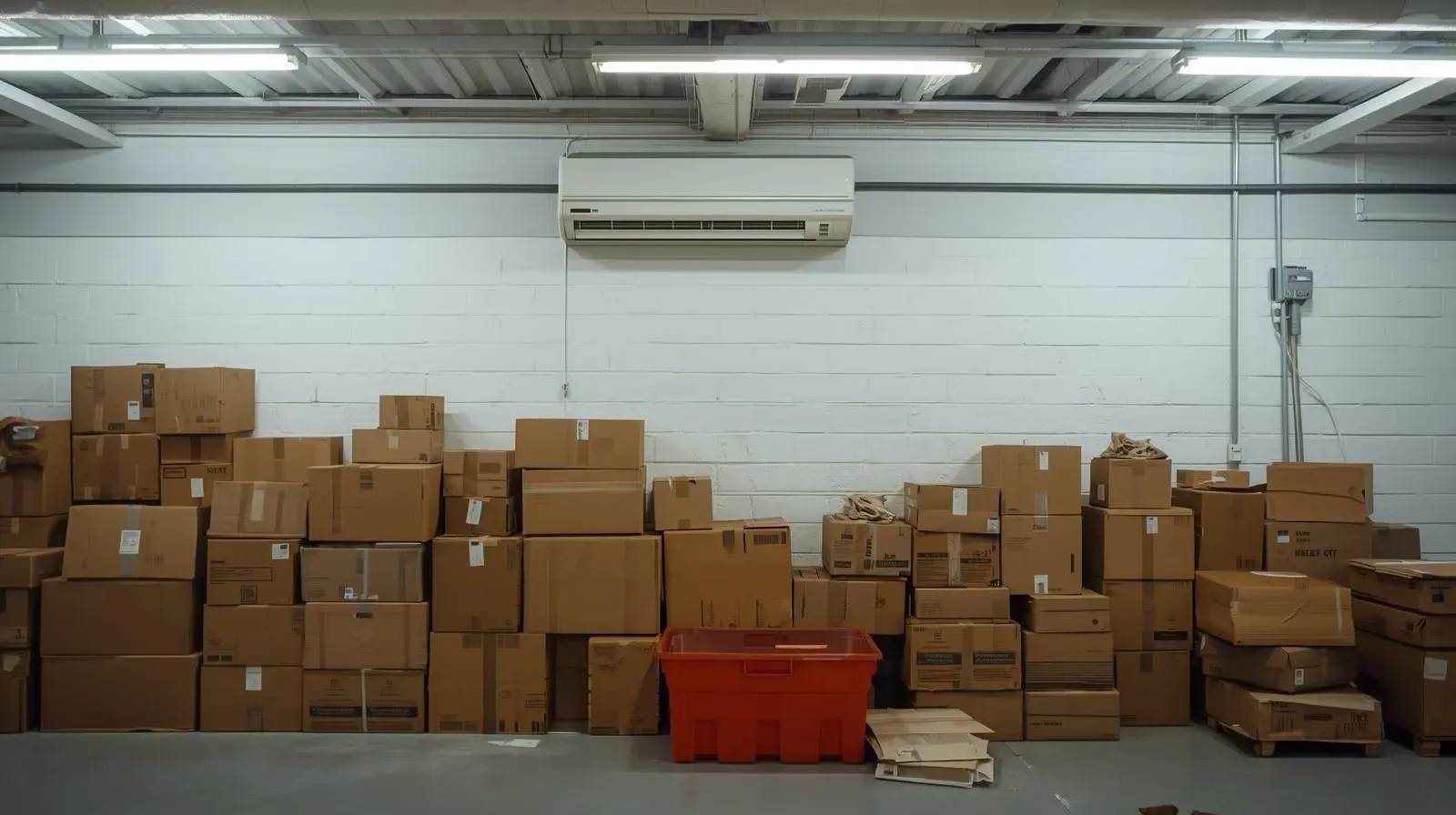
Leather Care & Red Rot Prevention Checklist
- Store at RH 40–55%, ≤ 21°C.
- Interleave with acid-free paper.
- Never seal in plastic; allow breathability.
- Inspect annually for red rot powdering.
How should you pack collectibles in Dubai to extend value?
Collectibles in Dubai risk damage from humidity, dust, and heat. The best packing tips for storage are archival sleeves, buffered boards, and AC units.
Proven Protection Methods for Collectibles
- Store comics in polypropylene or Mylar sleeves with buffered backing.
- Keep coins in inert capsules; PVC holders degrade in UAE heat.
- Maintain RH 35–50% in AC storage.
- Add silica gel packets to collectible boxes.
Dubai’s electronics, furniture, artwork, media, vinyl, leather, and collectibles demand AC-controlled environments, breathable enclosures, and strong dust protection. With correct packing, residents can extend their life considerably despite harsh Gulf climate conditions.
How should you pack items for storage in humid coastal areas like Dubai Marina or JBR?
Coastal areas of Dubai experience 70–90% humidity during summer, which accelerates mold, corrosion, and warping. The best packing tips for storage are climate-controlled units, RH 30–50%, and desiccants.
Item Preservation Tips for Coastal Dubai
- Always choose AC-controlled facilities; non-AC garages exceed 45°C in August.
- Use sealed cartons with silica gel packs to absorb excess humidity.
- Monitor boxes quarterly for damp smells.
- Elevate cartons on pallets to avoid floor moisture seepage during coastal rains.
How should you pack for drier inland and desert-edge areas of Dubai?
Inland and desert-edge communities in Dubai can see RH fall well below 30% on dry winter days, which dries paper, textiles, and wood. The best packing tips for storage are humidification balance, breathable covers, and regular inspection.
Protective Measures for Arid Regions
- Use buffered, acid-free boxes to counter desiccation.
- Wrap wood and textiles in breathable cotton to reduce fiber breakage.
- Inspect quarterly; very dry air makes fibers brittle over time.
- Avoid lofts and roof spaces, which get far hotter than living areas.
How should you pack in urban apartments (e.g., Downtown Dubai, JLT towers)?
Urban micro-apartments often lack storage rooms and face AC cycling. The best packing tips for storage are airtight bins, compact shelving, and the use of off-site climate-controlled units.
Expert Solutions for Micro-Storage Challenges
- Use latch-lid totes with rubber seals to block dust.
- Label bins clearly by item type.
- Avoid balconies; daytime heat exceeds 45°C and damages plastics and fabrics.
- For valuable items, rent small climate-controlled lockers.
How should you pack items for garages in Dubai villas?
Villa garages in Dubai often exceed 40–45°C and collect dust. The best packing tips for storage are insulated containers, elevation, and frequent checks.
Dust & Heat Defense Guide for Garages
- Use heavy-duty plastic totes with gasketed lids.
- Raise totes at least 15 cm above the floor on pallets.
- Inspect monthly during summer for condensation inside lids.
- Avoid direct concrete contact, which transfers heat to boxes.
How should you pack for occasionally flood-prone spots in Dubai?
Low-lying streets, ground-floor units and villa garages in Dubai can take on water during rare heavy-rain events, as residents saw in April 2024. The best packing tips for storage are anchored shelving, waterproof bins, and elevation.
Shock & Water-Proof Packing Plan
- Secure shelving to walls to prevent tip-over.
- Store items in waterproof bins with silica gel.
- Keep boxes at least 20 cm above ground in flood-prone zones.
- Place fragile items in padded, impact-resistant cases.
Climate & Location Storage Tips in Dubai/UAE
| Location Type | Main Risk | Key Storage Solution | Main Benefit |
|---|---|---|---|
| Coastal (Dubai Marina) | High humidity 70–90% | Climate-controlled, desiccants | Less mold and corrosion |
| Inland / desert-edge Dubai | RH too low, drying | Buffered boxes, breathable covers | Less cracking and brittleness |
| Urban apartments | AC cycling, space | Airtight bins, lockers | Dust-free, organised storage |
| Villa garages | 40–45°C heat, dust | Gasketed bins, elevation | Lower heat and dust damage |
| Low-lying ground floors | Rare heavy-rain flooding | Waterproof bins, 20 cm elevation | Prevents water loss |
Across Dubai, location-specific storage risks demand targeted packing strategies. Coastal residents fight humidity; inland households fight dryness; urban apartment dwellers fight space and AC cycling; villa owners fight garage heat and dust. With tailored packing tips, Dubai residents can protect valuable items for many years, even in one of the world’s harshest climates.
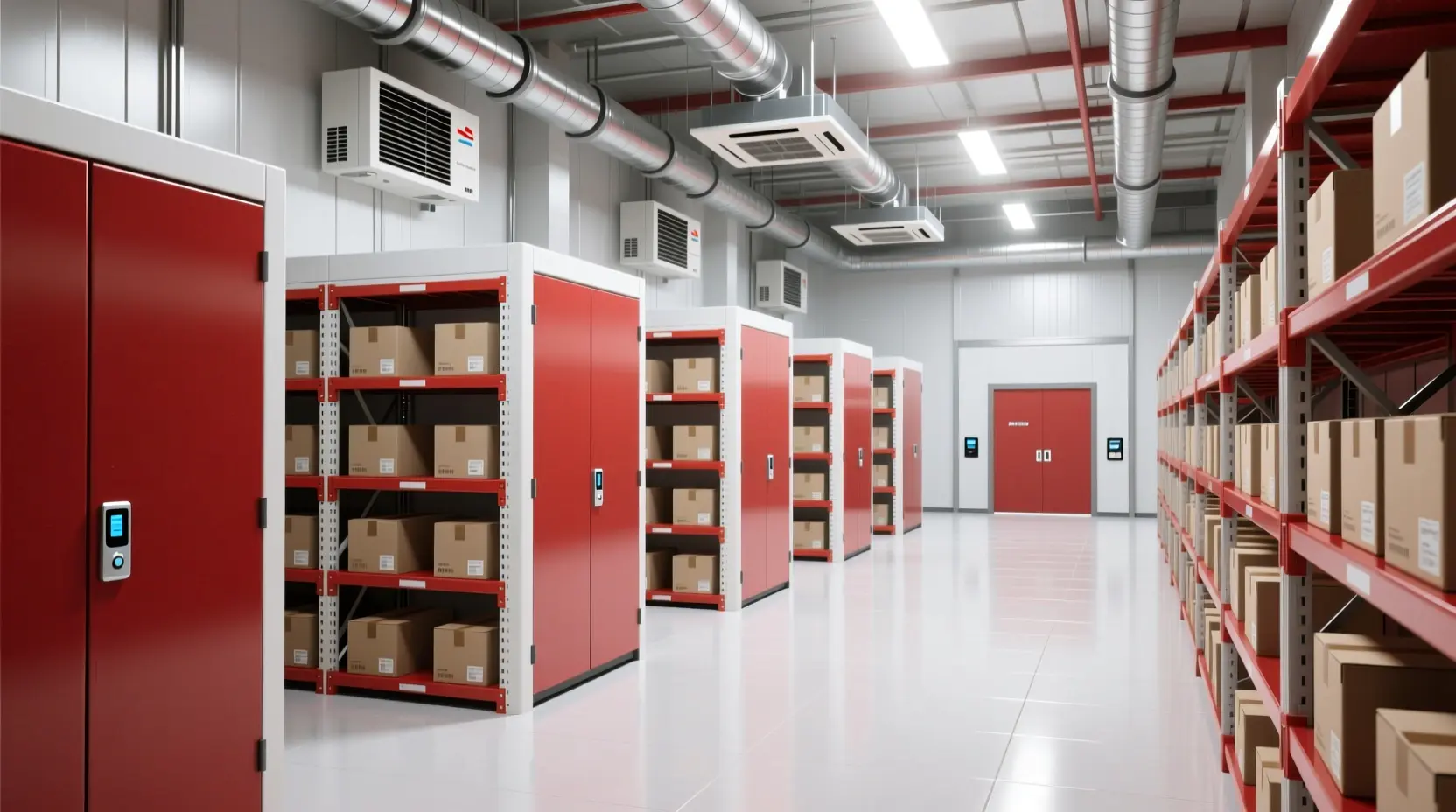
How should students in Dubai pack items for storage between semesters?
Expat and local students often leave for the summer. The best packing tips for storage are lightweight cartons, AC units, and labeling.
Smart Storage Tips for Students
- Limit the box weight to ≤ 18 kg for easier moving.
- Use climate-controlled storage during May–September when temperatures exceed 40°C.
- Label by subject or room for faster unpacking.
- Store laptops in anti-static sleeves with desiccants.
How should renters in Dubai pack when moving between flats?
Renters face frequent relocation in Dubai’s dynamic market. The best packing tips for storage are photo documentation, insurance, and moisture-proofing.
How to Pack Efficiently When Moving Between Flats
- Photograph valuables before packing.
- Use coded labels like LR–01 for easy unpacking.
- Avoid packing on humid nights; RH spikes to 90% near the coast.
- Get insurance for items stored during moves.
How should SMEs and home businesses in Dubai pack records and inventory?
Dubai’s SMEs use storage for both compliance and products. The best packing tips for storage are archival boxing, digital backups, and a regulated climate.
How SMEs in Dubai Should Pack and Store Their Assets
- Archive invoices in acid-free cartons; UAE tax rules require businesses to keep records for at least five years, longer in some cases.
- Apply the 3-2-1 backup rule: 3 copies, 2 media, 1 off-site.
- Store goods in double-wall cartons, stacked ≤ 5 high.
- Maintain RH 40–55% to protect packaging.
How should families in Dubai protect archives and heirlooms?
Families keep documents, textiles, and photos across generations. The best packing tips for storage are archival enclosures, provenance labeling, and separation of media.
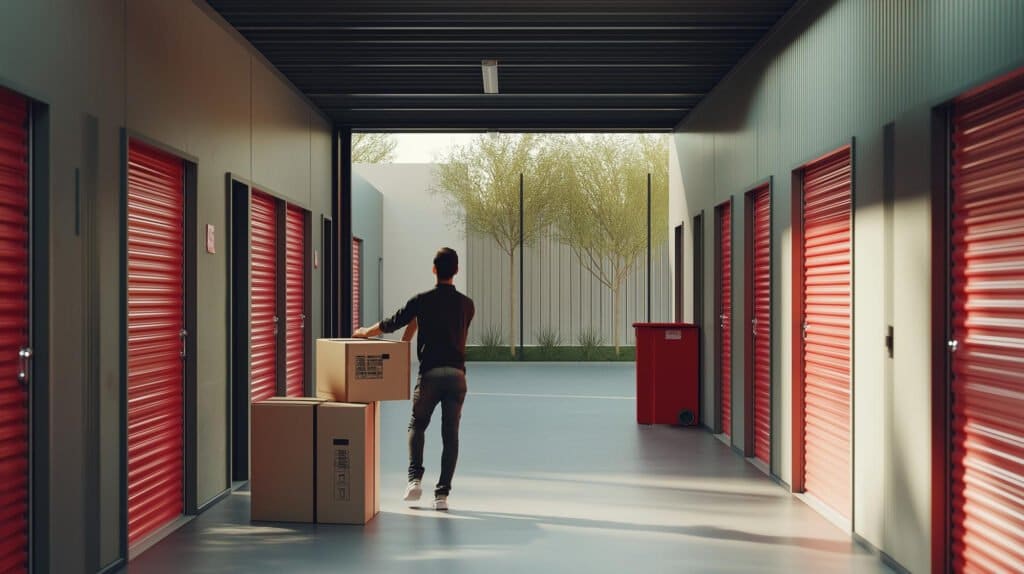
Preserving Generational Treasures in Dubai
- Use buffered folders for letters and deeds.
- Write provenance inside boxes; avoid sticky labels.
- Separate photos from acidic paper.
- Inspect annually for mold, especially after humid summers.
How should photographers in Dubai store equipment and film?
Dubai’s wedding and event photographers face dust and fungus. The best packing tips for storage are dry cabinets, fridges for film, and desiccants.
Photographers’ Guide to Safe Equipment and Film Storage
- Store lenses in dry cabinets at 40–50% RH.
- Refrigerate film at ~5°C with silica packets.
- Allow 24h acclimatization before use to avoid condensation.
- Use PAT sleeves for negatives.
How should IT hobbyists and gamers in Dubai store components?
Dubai’s tech enthusiasts must avoid heat and humidity damage. The best packing tips for storage are anti-static bags, JEDEC compliance, and AC storage.
How to Store Electronic Parts Safely and Effectively
- Store ICs in anti-static bags with moisture-barrier labels.
- Bundle cables with hook-and-loop ties, not tape.
- Keep systems in climate-controlled lockers where RH 40–60% protects circuits.
- Inspect semi-annually for corrosion near coastal homes.
Final Checklist Table (Dubai Residents)
| User Group | Priority Tips | Main Benefit |
|---|---|---|
| Students | ≤ 18 kg boxes, AC storage | Easy moves, no summer heat damage |
| Renters | Photo docs, insurance, avoid humid nights | Evidence for claims, drier boxes |
| SMEs/Businesses | Archival boxing, 3-2-1 backups | Regulatory compliance |
| Families | Buffered boxes, provenance notes | Heirlooms preserved for the next generation |
| Photographers | Dry cabinets, fridges for film | Slower dye fading, no lens fungus |
| IT hobbyists | Anti-static bags, AC storage | Less corrosion and static damage |
Final Thoughts: Why Dubai Residents Must Pack Smart for Storage
Dubai’s climate is unforgiving in summer, with highs regularly crossing 40–45 °C (Reuters), and humidity often spikes to 70–90% along the coast. Without proper packing, items such as paper, textiles, electronics, and furniture can deteriorate much faster than in temperate climates.
This guide has outlined universal principles, including the use of climate-controlled storage with stable temperature and humidity, acid-free archival enclosures, breathable covers, and elevation above floors. It has also provided item-specific strategies for protecting books, photos, textiles, electronics, furniture, collectibles, and media, as well as location-based precautions for coastal, inland, urban, and villa environments across Dubai.
The takeaway is clear: packing smart in Dubai is not a luxury, it’s a necessity. With consistent use of climate control, archival materials, and proactive inspection, residents can extend the lifespan of valuables by many years, securing both sentimental heirlooms and high-value business assets. In a city where space is limited and the climate is harsh, smart storage is the difference between preservation and loss.