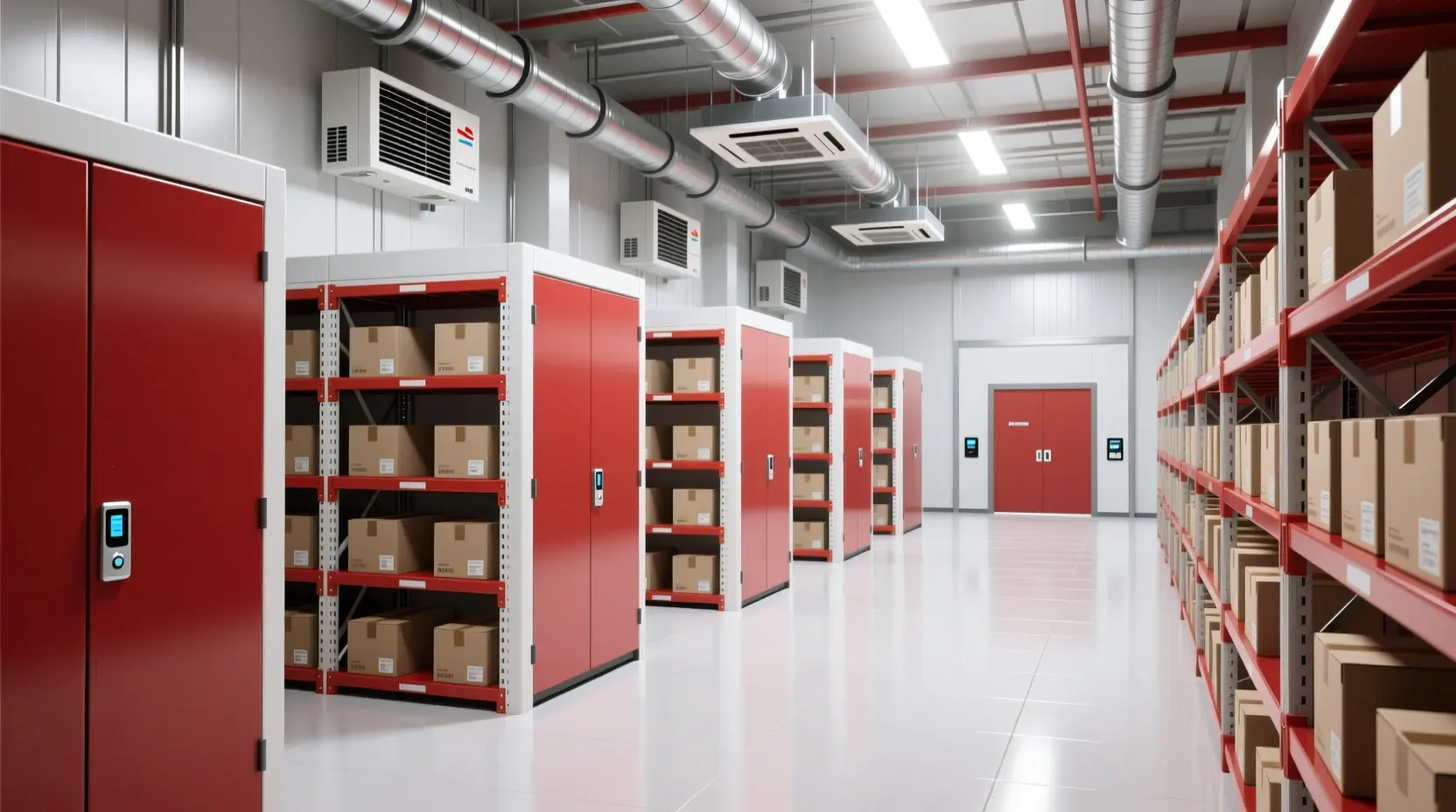
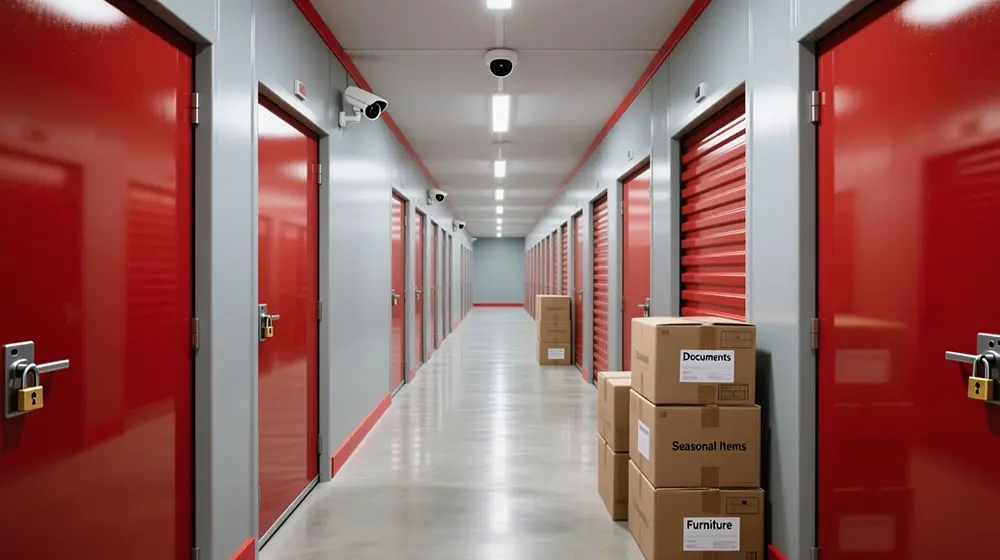
Self storage Abu Dhabi creates frequent billing and insurance disputes because demand grows faster than tenants’ knowledge of storage contracts and fee structures. Abu Dhabi’s population reached around 4,135,985 residents in 2024, about 51 % higher than in 2014, so more households live in compact apartments and move more often. At the same time, recent market reviews show double digit annual rent growth for many apartment segments, which pushes residents to use self storage Abu Dhabi as an overflow space instead of upgrading to larger homes. In parallel, industry research values the UAE self storage market at more than USD 600 million in 2024, and forecasts strong growth to 2030, so providers scale units, pricing menus, and fee clauses faster than many tenants read the fine print. In this setting, a single overlooked line on late fees, lock out rules, or insurance exclusions can turn a basic storage unit into surprise bills, blocked access, or rejected claims.
This guide uses verified data, practical checklists, and clear questions to help Abu Dhabi tenants understand location patterns, price bands, and hidden risks before signing any self storage contract.
Where does self storage Abu Dhabi cluster and why does location matter for cost?
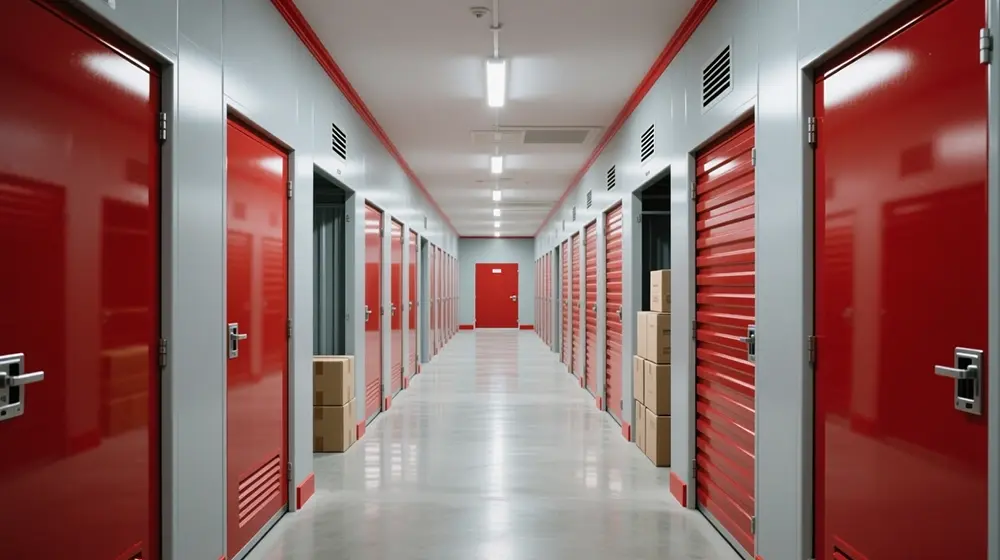
Self storage Abu Dhabi clusters in industrial and logistics corridors because land, access, and building formats there support warehouse style units.
Main location patterns
Common clusters in self storage Abu Dhabi:
1. Mussafah industrial zones
Large warehouses convert into multi-unit storage areas.
2. Airport road and logistics corridors
Easy access for moving trucks and freight.
3. Fringe zones near residential areas such as Khalifa City and Al Raha Beach
Operators market “short drive” access from dense housing districts.
Location affects cost because:
- Central or prestige districts face higher land and cooling costs.
- Industrial zones offer lower rent per square foot and simpler building services.
- Distance from residential zones increases time and fuel expenditure, so tenants trade lower unit rent against higher travel costs.
How much do self storage Abu Dhabi units cost by size and type?
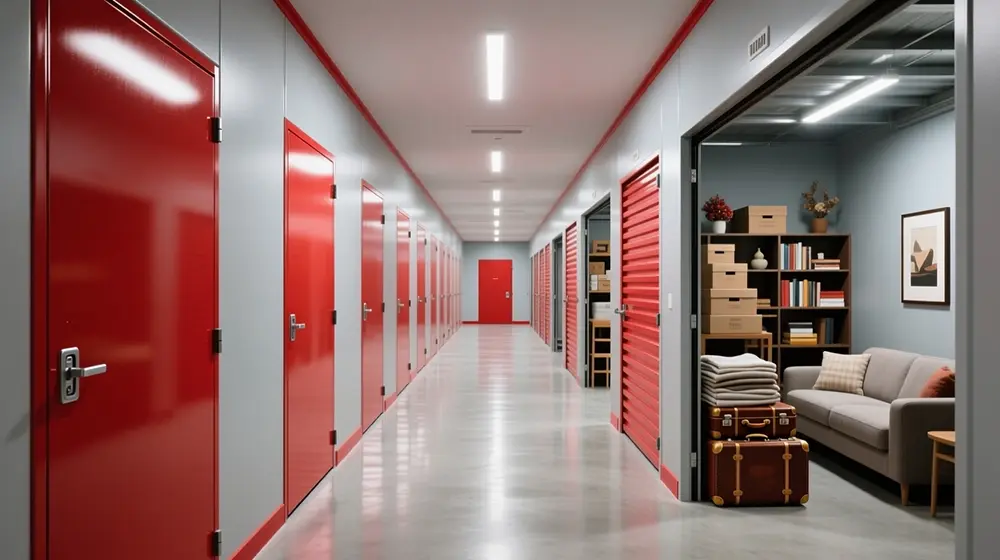
Self storage Abu Dhabi prices vary by unit size, climate control, and provider model.
Price examples
ServiceMarket and operator price sheets provide clear reference points:
| Unit type and size | Example monthly range (AED) | Notes |
|---|---|---|
| Shared storage, small volume | From about 150 | Lower cost, mixed items, limited private access |
| Small self storage unit, 25–31 sq ft | 250 to 650 | Suitable for boxes and small furniture |
| Medium unit, about 50 sq ft | 450 to 1,600 | 450 AED non-AC example, 625 AED for 50 sq ft example |
| Larger private units, 100 sq ft+ | 900 to 2,950+ | 900 AED for 100 sq ft non-AC, 2,250 to about 2,950 AED for large |
Key points for tenants:
- Low entry adverts such as “storage from AED 150” usually indicate shared space, not a private locked room.
- Climate controlled units often sit at the upper end of each band.
- Non AC storage quotes (for example, 450 AED for 50 sq ft and 900 AED for 100 sq ft) look attractive but expose contents to a higher heat risk.
These numbers help to benchmark any self storage Abu Dhabi quote against market ranges.
How do pricing structures in self storage Abu Dhabi create hidden costs?
Pricing for self storage in Abu Dhabi rarely consists of base rent alone Contracts often layer service charges and penalties on top.
Pricing components
Self storage Abu Dhabi contracts usually include:
1. Base storage rent
Monthly charge based on unit size and location.
2. Security deposit
One month to several months of rent, refundable if no arrears or damage.
3. Insurance premium
Fixed amount or percentage of declared value for stored items.
4. Administration fees
Setup fees, contract issuance, and invoice reprint fees.
5. Access or handling fees
Charges for external loading areas, pallets, or pickup services.
6. Penalty fees
Late payment fees, lock cutting charges, cleaning fees, pest treatment fees, and disposal fees.
Example structure for one unit
| Item | Example |
|---|---|
| Base rent for a 50 sq ft unit | 450 to 1,600 AED per month |
| Security deposit | 1 to 2 months of base rent |
| Insurance premium | Fixed monthly fee or 0.5 to 1.5 % of declared value |
| Late payment fee | Fixed amount (for example, 50 to 150 AED) per overdue invoice |
| Lock cutting or replacement | Fixed charge, sometimes equal to part of the monthly rent |
| Cleaning and pest control at exit | Flat fee or assessed based on the inspection report |
| Disposal or auction handling | Costs deducted from sale proceeds or charged separately |
The result is that self storage Abu Dhabi can move from a simple “500 AED per month” perception to an effective annual cost far above this level once hidden fees and penalties appear.
Which fees inside self storage Abu Dhabi contracts most often trigger surprise bills?
Certain fee clauses within self storage Abu Dhabi contracts drive most complaint cases.
High-impact fee categories
1. Late payment fees
- Triggered once rent passes a defined due date.
- Can apply per invoice or per day.
2. Lock out and lock-change charges
- Overlocking and code suspension after arrears.
- Extra charges for cutting and replacement of locks.
3. Cleaning and restoration fees
- Applied if dust, leaks, or residual packing materials appear during exit inspection.
4. Pest control charges
- Added if traces of pests or food residues are detected.
5. Disposal and auction handling fees
- High impact when goods are abandoned or auctioned after lock out events.
6. Contract change and paperwork fees
- Fees for name changes, company changes, or new invoice formats.
Tenants often focus on base rent and deposit only, so these fee lines create surprise bills when any irregular event occurs.
How do lock out notices work in self storage Abu Dhabi, and why do tenants lose access?
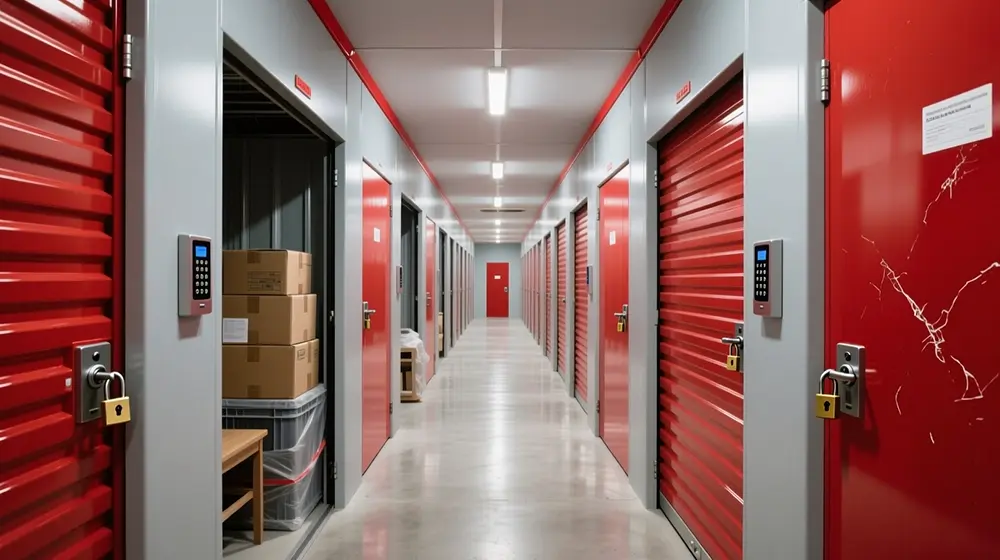
In self storage Abu Dhabi, lock out procedures follow a staged arrears timeline that can end in auction or disposal.
Lock out sequence
Patterns documented in industry guidance and regional operator policies show:
1. Grace period after due date
Short window where reminders start, and late fees may apply.
2. Formal arrears notice
Email and SMS explaining the overdue amount, deadline, and risk of access.
3. Access suspension or overlock
Entry code disabled or a physical overlock added to the unit door.
4. Final demand and sale notice
Written statement that goods may be sold or disposed of if arrears continue.
5. Auction or disposal process
Contents sold, with proceeds applied to debt and extra fees.
Once step three begins, self-storage Abu Dhabi clients lose practical control over their items until the account returns to good standing, even though legal ownership might still sit with the tenant.
How does the Abu Dhabi climate increase damage risk inside self-storage Abu Dhabi units?
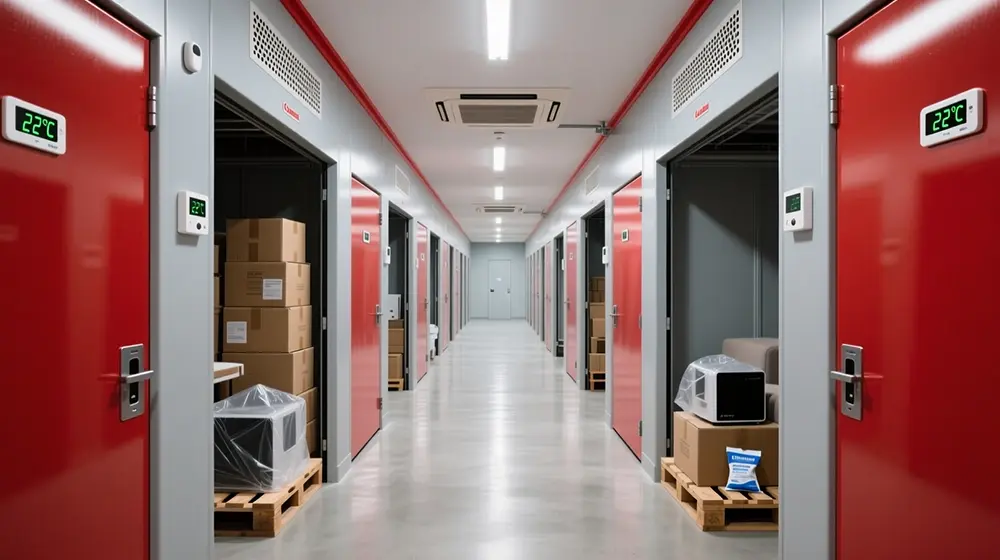
Abu Dhabi’s climate amplifies damage risk for stored goods, especially in non AC storage.
Climate figures
- Average annual temperature: 27.9 °C.
- Typical annual rainfall: About 42 millimetres.
- Summer temperature range: About 60 °F to 104 °F (roughly 16 to 40 °C), with peaks up to about 111 °F.
Impact on typical stored materials
| Material type | Climate risk in basic self storage Abu Dhabi units |
|---|---|
| Wood furniture | Swelling, cracking, and warping under heat and moisture changes |
| Leather and fabrics | Drying, cracking, and mould growth in high humidity |
| Electronics | Condensation inside devices, corrosion on contacts and boards |
| Paper and documents | Yellowing, curling, mould patches, and ink transfer |
| Metal items | Rust and corrosion, especially near coastal humidity |
Climate controlled self storage Abu Dhabi units mitigate these risks through controlled temperature and humidity ranges, but such units cost more, so many tenants choose non AC spaces without full awareness of damage risk.
Why do insurance gaps appear in self storage Abu Dhabi, and how do they affect claims?
Insurance gaps appear because facility cover often protects only the building and operator liability, while tenant property requires additional policies with strict conditions.
Common sources of gaps
- Misunderstanding of the facility insurance scope
Many operators insure the building and their business, not the individual contents of each unit.
- Low default limits per unit
Standard includes a cover, sometimes caps at a low value that does not match the item replacement cost.
- Exclusions for gradual damage
Mould, vermin activity, and slow humidity damage often sit outside the cover.
- Gaps between home insurance and storage
Home contents policies may exclude off site storage or limit it to short periods.
Practical effect on tenants
When incidents occur:
- Fire or major flood may fall inside the coverage, but only up to policy limits.
- Slow climate damage frequently triggers claim rejection.
- Lack of inventory records and photographs reduces payout amounts.
Self storage Abu Dhabi, therefore, requires policy level due diligence, not only contract reading.
Which checks close insurance gaps before using self storage in Abu Dhabi?
Tenants reduce insurance gaps for self storage in Abu Dhabi by completing structured checks before moving goods.
Pre-storage insurance checklist
1. Identify the exact policy that covers the contents
Request policy name, insurer, and coverage summary from the facility.
2. Confirm per unit and per-item limits
Compare the replacement value of contents to stated limits.
3. List main exclusions in writing
Look for terms such as mould, condensation, gradual deterioration, and vermin
4. Check if the home contents policy extends to storage
Ask the home insurer to confirm off site cover in Abu Dhabi by email.
5. Prepare inventory and evidence
Create itemised lists with serial numbers, purchase dates, and photographs.
6. Document packing and placement
Record how items are packed and stacked to support any future claim.
These steps create a clear evidence trail for any self storage Abu Dhabi insurance claim.
How can tenants compare self storage Abu Dhabi offers in a data-driven way?
Tenants improve decisions by converting marketing claims into comparable metrics.
Three comparison lenses
For each quote:
1. Cost per square foot or cubic metre per month
Base rent divided by unit size.
2. Total expected annual cost
Base rent for twelve months
Plus insurance, admin fees, likely access or late fees.
3. Risk adjusted value
- Climate control presence
- Security features
- Insurance quality and claim track record.
Useful comparison questions
- Is the quoted rent aligned with bands of 250 to 650 AED for small units and 1,250 to 1,600 AED for medium units in Abu Dhabi, or far outside them?
- What is the premium from non AC to climate-controlled units in the same facility?
- How does travel time from home or office affect the total cost per month?
Which questions protect tenants before booking self storage in Abu Dhabi?
Protective questions for tenants focus on price structure, access, climate control, and insurance in self storage Abu Dhabi facilities.
Examples include:
- What total amount appears on the invoice each month, and which parts of it may change during the contract?
- After how many days of arrears does the facility restrict access or apply lock out procedures for self storage Abu Dhabi units?
- Which events trigger late fees, lock cutting charges, cleaning charges, or disposal costs, and how are these calculated?
- Is the unit climate-controlled? What temperature and humidity ranges apply, and how is performance monitored and recorded?
- Which insurance policy covers stored items? What are the claim limits, and which main exclusions appear in the policy wording?
- What notice period applies for moving out, and how is final billing calculated if the tenant exits mid cycle?
Asking these questions in writing and retaining the replies as part of the self storage Abu Dhabi file improves future negotiation and dispute handling.
Which exit checklist helps tenants avoid last-minute fees in self storage in Abu Dhabi?
A structured exit process reduces disputes over cleaning, damage, and final rent.
Exit checklist
Thirty to fourteen days before exit
- Read the clauses on notice period and minimum term.
- Confirm the last chargeable day in writing with the provider.
- Inspect for moisture, pests, or visible damage and photograph evidence.
Seven to one day before exit
- Remove prohibited or high-risk items first.
- Plan cleaning materials suitable for the unit’s surface.
- Arrange transport that can clear the unit in a single visit if possible.
On exit day
- Empty the unit completely.
- Sweep and wipe surfaces where safe.
- Take wide and close photographs of the empty unit.
- Return keys, locks, or access cards.
After exit
- Obtain written confirmation that the unit is empty and accepted.
- Request the final statement and timeline for deposit return.
This checklist converts self storage Abu Dhabi exit into a documented, low-conflict transaction.
How can self storage Abu Dhabi users apply this guide to stop surprise bills, lock out notices, and insurance gaps?
Tenants use this guide as a structured reference before, during, and after any self storage Abu Dhabi contract.
1. Before signing
- Use population, rent, and market data to understand why providers design strict contracts.
- Apply the comparison framework to benchmark prices and features.
2. During the contract
- Track payment dates, climate conditions, and insurance records.
- Respond early to reminders to avoid lock out sequences.
3. At exit
- Follow the checklist to protect deposits and avoid final cleaning or disposal fees.
By combining data-backed awareness, precise questions, and documented routines, self storage Abu Dhabi becomes an extension of a tenant’s housing plan instead of a source of surprise invoices and rejected claims.
What final steps help tenants control self storage Abu Dhabi risks?
Self storage in Abu Dhabi becomes manageable when tenants treat it like an extension of their housing strategy instead of a side note to the lease. Contracts describe exact rent bands, deposits, late fees, lock out rules, and insurance limits, so the main risk comes from not reading or recording these details. Tenants who compare locations by area, climate control level, and access time, rather than by headline price alone, reduce the chance of paying above market rates for similar units.
A simple routine protects most users. Before signing, tenants match any quote against published price ranges for small, medium, and large units in Abu Dhabi and ask written questions about arrears timelines, cleaning fees, and disposal processes. During the contract, tenants keep payment dates, insurance documents, inventories, and unit photographs in one digital folder so that disputes can be answered with records instead of memory. At exit, tenants follow a documented checklist for cleaning, inspection, and confirmation of the final account. By combining precise questions, data-based comparisons, and basic documentation habits, self storage Abu Dhabi shifts from a source of surprise bills, lock out notices, and insurance gaps to a controlled, costed, and predictable part of everyday housing decisions.
FAQs
What is the main financial risk in self storage Abu Dhabi for tenants?
The main financial risk in self storage Abu Dhabi comes from hidden fees for late payment, lock changes, cleaning, pest control, and disposal that activate after arrears or irregular events.
How much do small self storage Abu Dhabi units usually cost per month?
Small self storage Abu Dhabi units of about 25 to 31 square feet commonly sit between roughly 250 and 650 AED per month, depending on location and climate control.
Why does location matter so much for self storage Abu Dhabi pricing?
Location matters because central or prestige districts carry higher land and cooling costs, while industrial zones such as Mussafah offer lower rent per square foot and easier truck access.
How can tenants quickly check if a quote for self storage Abu Dhabi is reasonable?
Tenants can compare the quote against local bands of about 150 AED for shared storage, 250 to 650 AED for small units, and 450 to 1,600 AED or more for medium units, while checking what is included.
When do lock out notices usually start in self storage Abu Dhabi facilities?
Lock out notices usually start after a short grace period for arrears, followed by formal reminders and then physical or digital access suspension if the overdue balance remains unpaid.
Why are non-AC self storage Abu Dhabi units riskier for furniture and electronics?
Non-AC units in self storage Abu Dhabi expose contents to high heat, humidity swings, dust, and possible condensation, which accelerates warping, mould growth, and corrosion.
What simple insurance step prevents many claim disputes in self storage Abu Dhabi?
A key step is to obtain the full policy wording, confirm per unit and per item limits, and create an itemised inventory with photographs before placing goods inside the unit.
How can tenants compare the two self storage Abu Dhabi offers fairly?
Tenants should normalise each offer by cost per square foot, presence of climate control, access hours, insurance quality, and expected annual total, including regular fees.
Which questions should tenants always ask before signing a self storage Abu Dhabi contract?
Tenants should ask about total monthly cost, arrears, and lock out timelines, all penalty fees, climate control ranges, insurance limits, and exact notice periods for exit
What basic exit routine reduces final disputes in self storage Abu Dhabi?
A basic routine is to clear the unit fully, clean visible surfaces, photograph the empty space, return all access devices, and obtain written confirmation that no further charges apply.
Rakan Al-Juraid is a logistics specialist with a focus on commercial storage systems and high-security asset management. With extensive experience in industrial warehousing, he specializes in inventory tracking technology and transit safety. Rakan’s expertise lies in streamlining the storage process for both businesses and homeowners through strategic planning. His writing offers data-driven advice on insurance for stored goods, fire-safe environments, and heavy-duty logistics. He is committed to ensuring that every square foot of storage is utilized with maximum security and efficiency. Rakan aims to provide professional-grade storage standards to every reader navigating the moving process.
Layali Al-Samer is a seasoned storage and organization expert with over 12 years of experience in the logistics industry. She holds a degree in Spatial Design, specializing in high-density residential storage and climate-control solutions. Layali focuses on inventory management for luxury goods and long-term preservation techniques for sensitive heirlooms. Her articles provide expert guidance on maximizing unit efficiency and protecting valuables from environmental damage. She is dedicated to helping readers declutter their lives through strategic and organized spatial planning. Layali’s goal is to ensure every possession is stored with the highest level of care and precision.